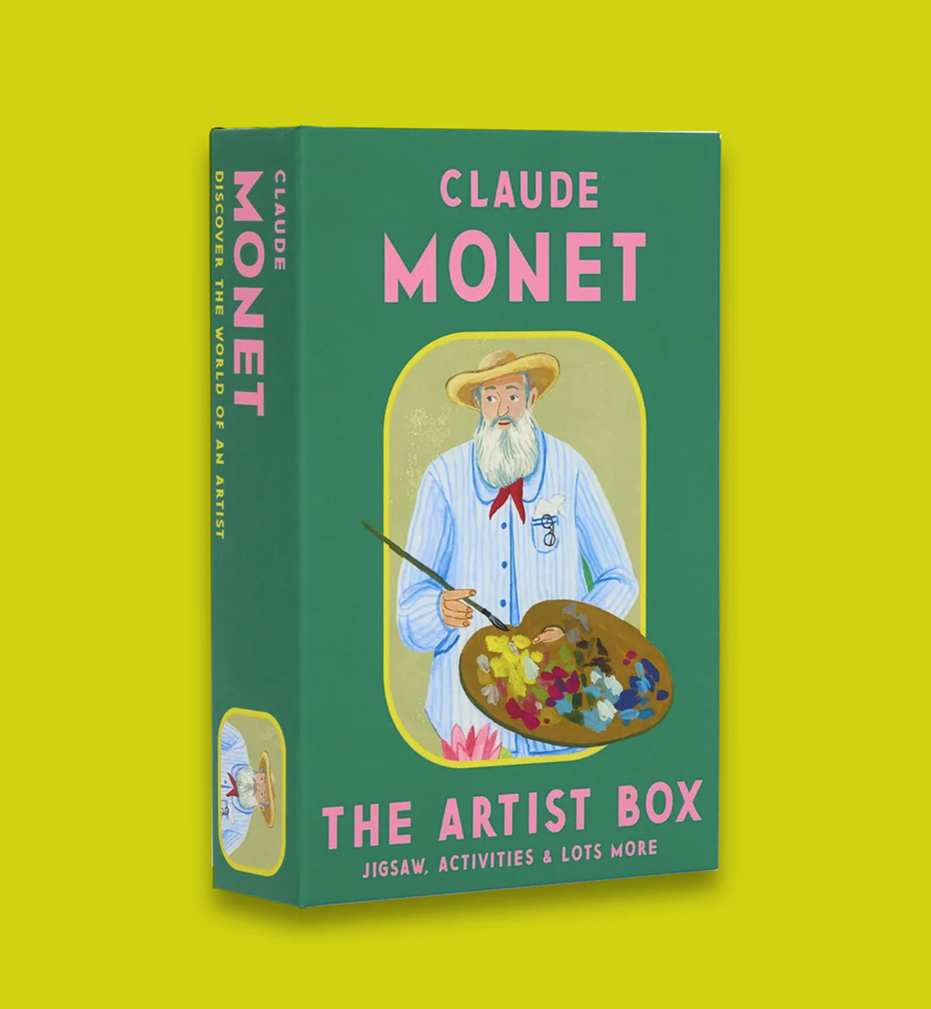
Iratxe López de Munáin illustrates an interactive art kit on the life of a Master Impressionist.
Iratxe teamed up with Thames & Hudson UK to bring The Artist Box: Claude Monet vividly to life through her lively, colourful illustrations.
Designed as part of the 'Gift Lab' series, this engaging 24‑page activity kit immerses young audiences in Monet’s world. It features a 150-piece jigsaw puzzle of his Giverny garden, a fact‑filled fold‑out timeline tracing his life and personal dramas, twenty‑four creative art activities (from origami water lilies to a Monet-themed mystery), and even an iron‑on patch - all richly illustrated by Iratxe.
Opening the box reveals not only a puzzle where you can spot Monet’s studio boat, wife Camille, and characters from his famous paintings, but also invites users to experiment with his artistic techniques via fun hands-on prompts. Iratxe’s illustrations transform educational content into a playful, tactile journey that both celebrates Monet’s legacy and encourages budding artists to explore creativity in a memorable, interactive format.
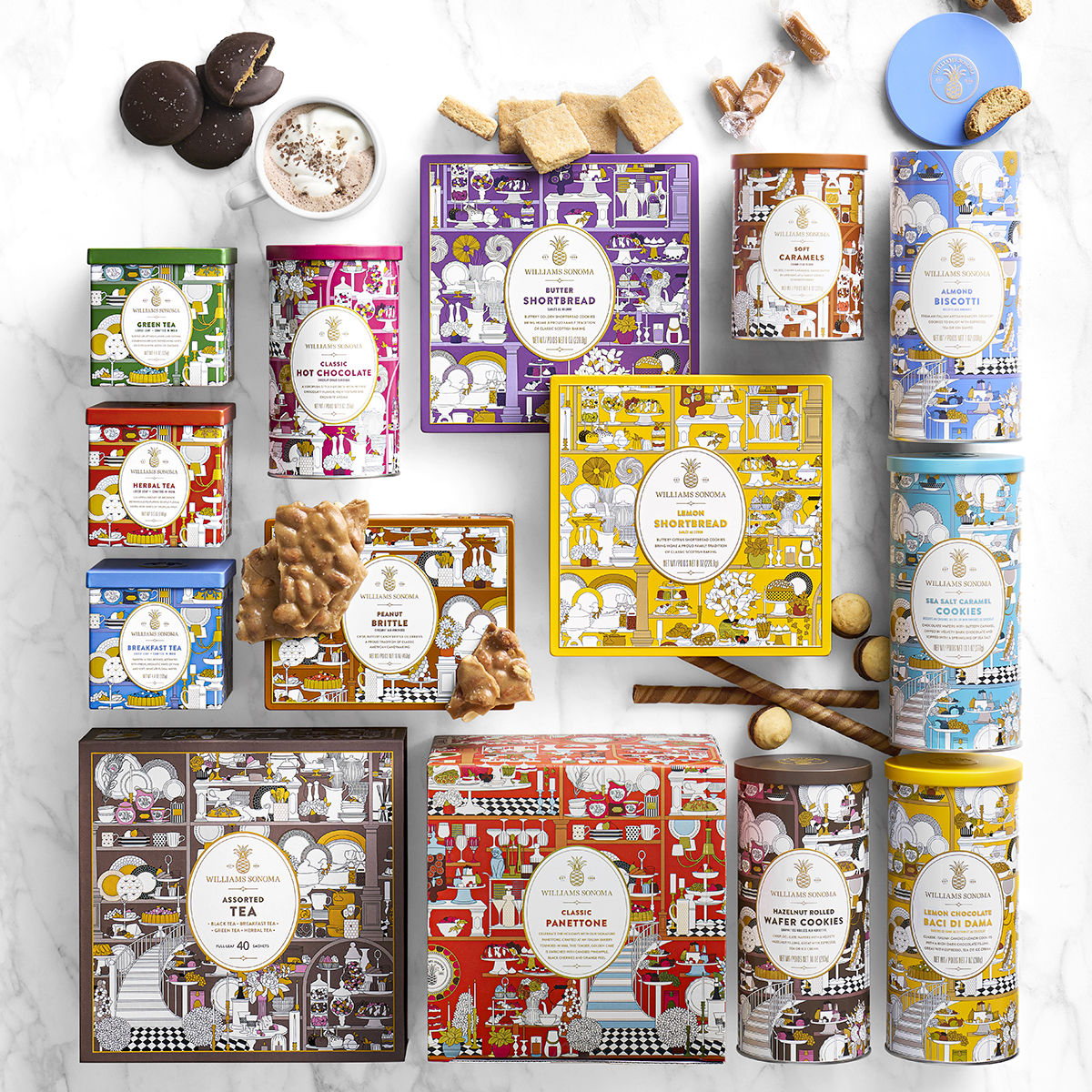
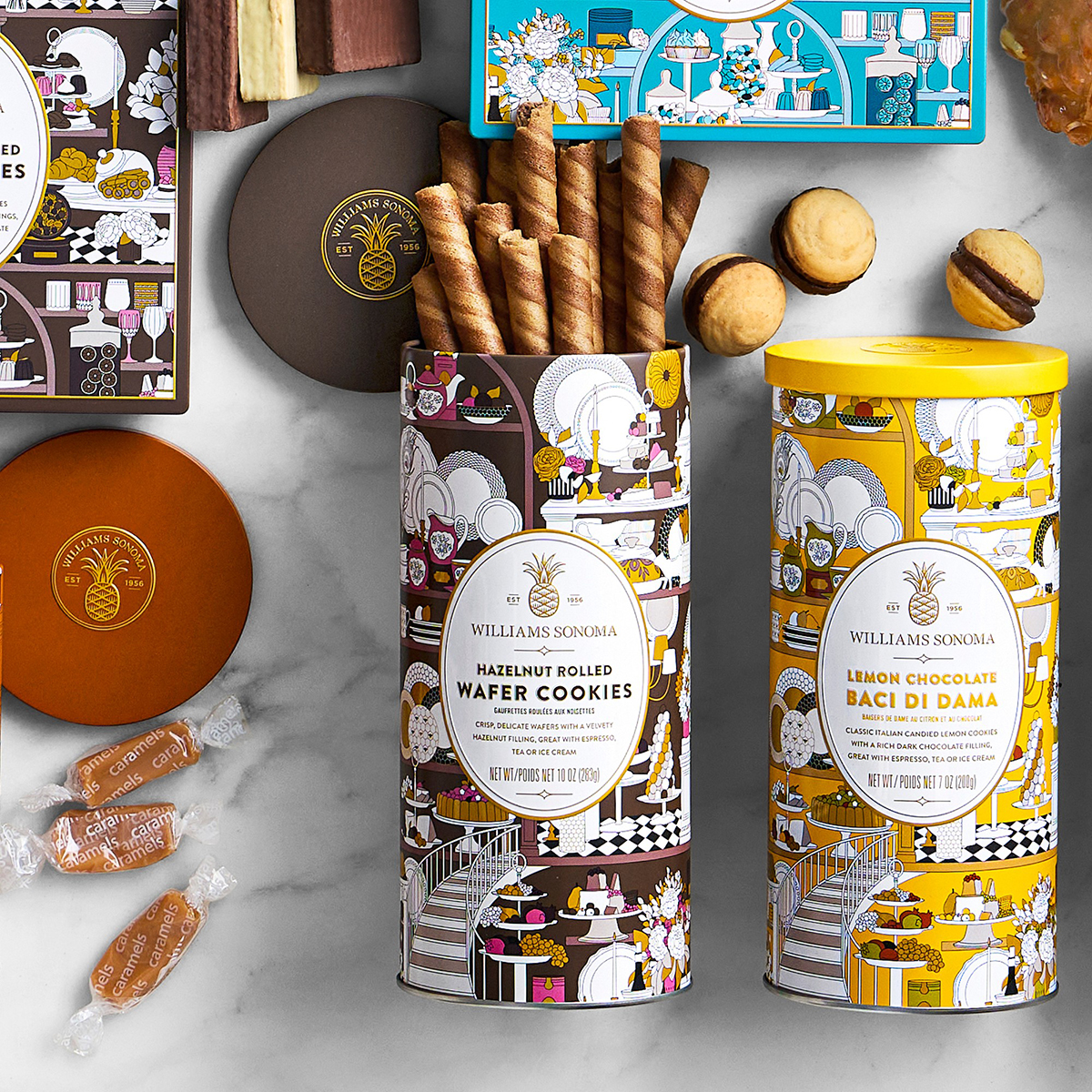
Svetlana Molodchenko has been recognized with a Communication Arts Illustration 2026 Award of Excellence for her Williams Sonoma commission, Dream Store Pattern.
For this project, she created a fully vector, continuous pattern capturing multi-level rooms, staircases, and shelves filled with the brand’s real catalogue products, layering detail to evoke the charm of a whimsical, immersive store.
The artwork now adorns packaging, kitchenware, and tabletop items, translating her meticulous compositions into everyday experiences.
The award highlights Svetlana’s inventive approach, celebrating how her illustrative precision brings narrative to a commercial canvas.
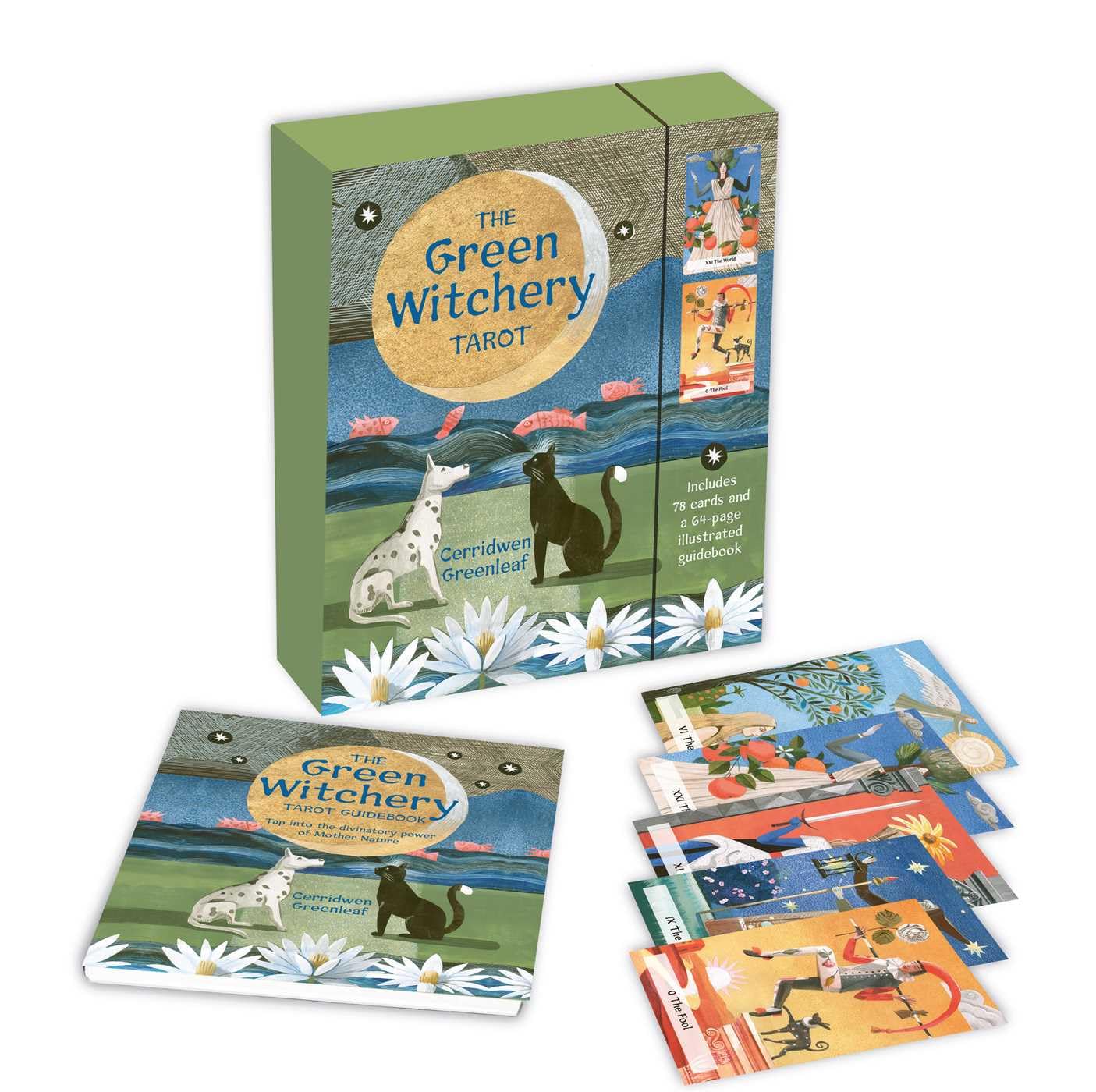
Bringing medieval mysticism to contemporary hands, Victoria Fomina illustrates tarot for CICO Books.
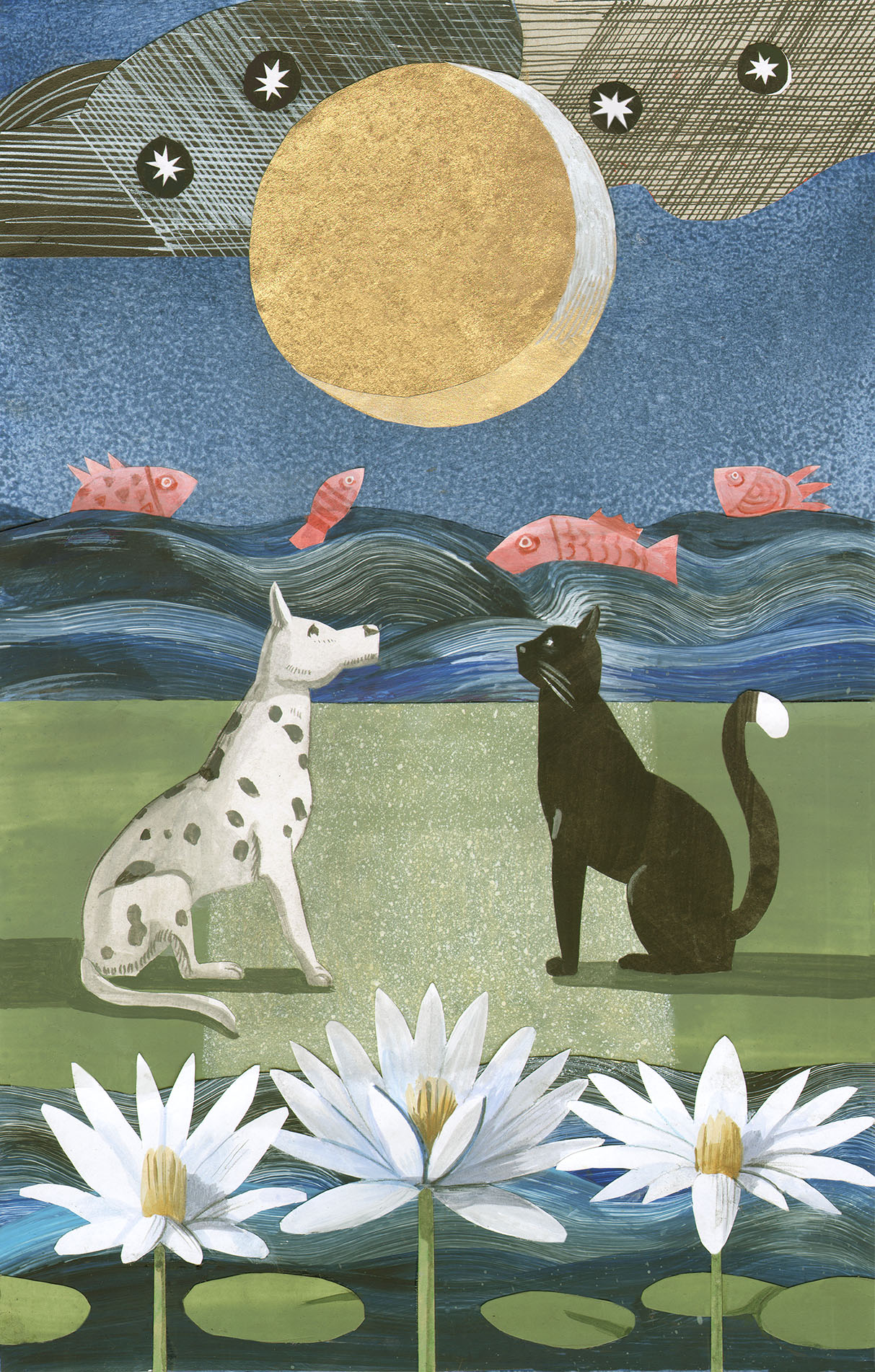
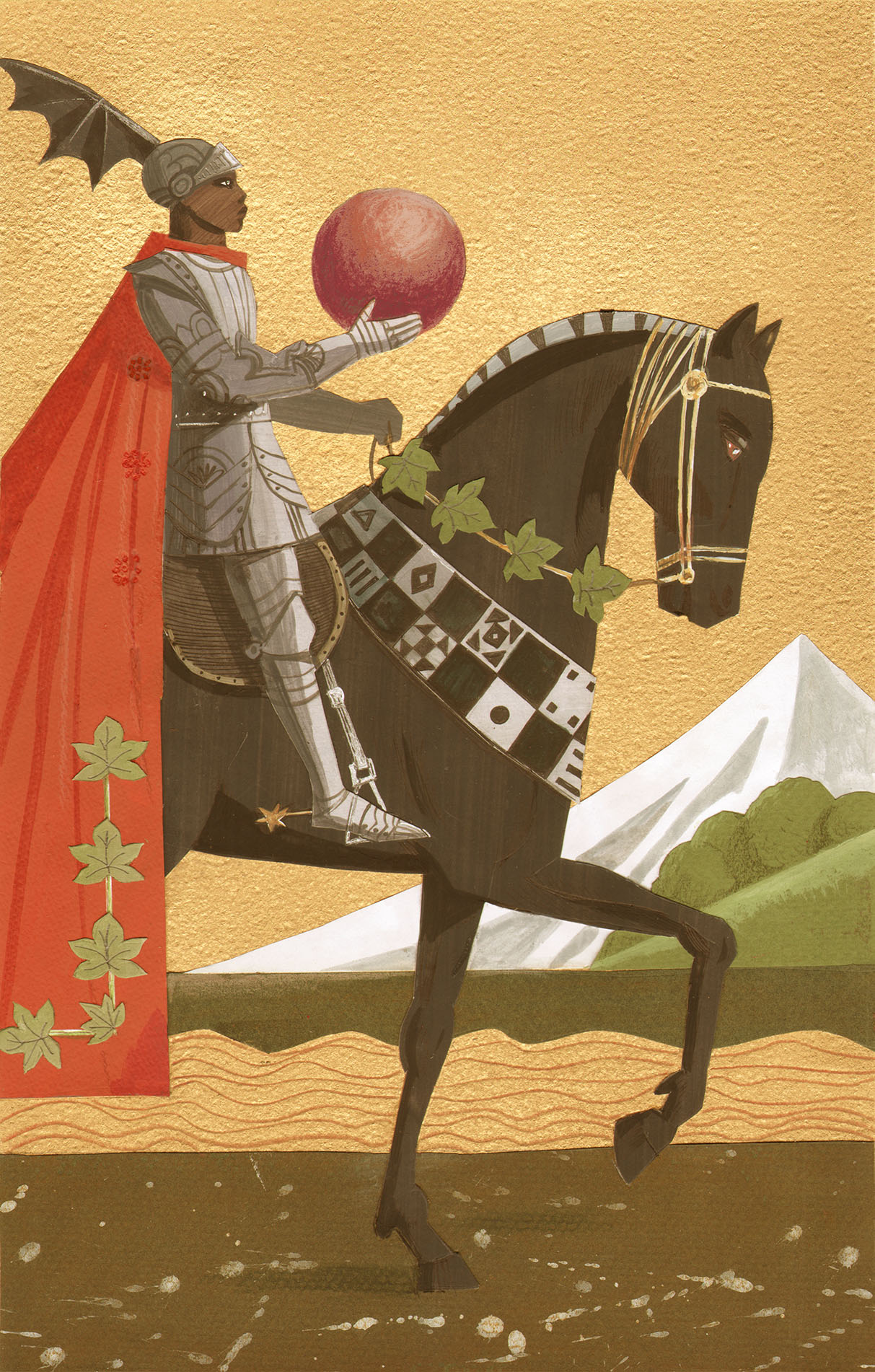
Victoria’s commission for The Green Witchery Tarot combines 78 tarot cards with a 64-page illustrated guidebook, rooted in medieval symbolism and age-old witchcraft insights.
She drew each image by hand - acrylic, ink, pen, and coloured paper, paring detail to distill archetypes like the Lovers, Death, Hermit, and Magician into striking, mysterious forms.
The deck and book are designed to complement contemporary green witchery practices, connecting natural magic with visual clarity.
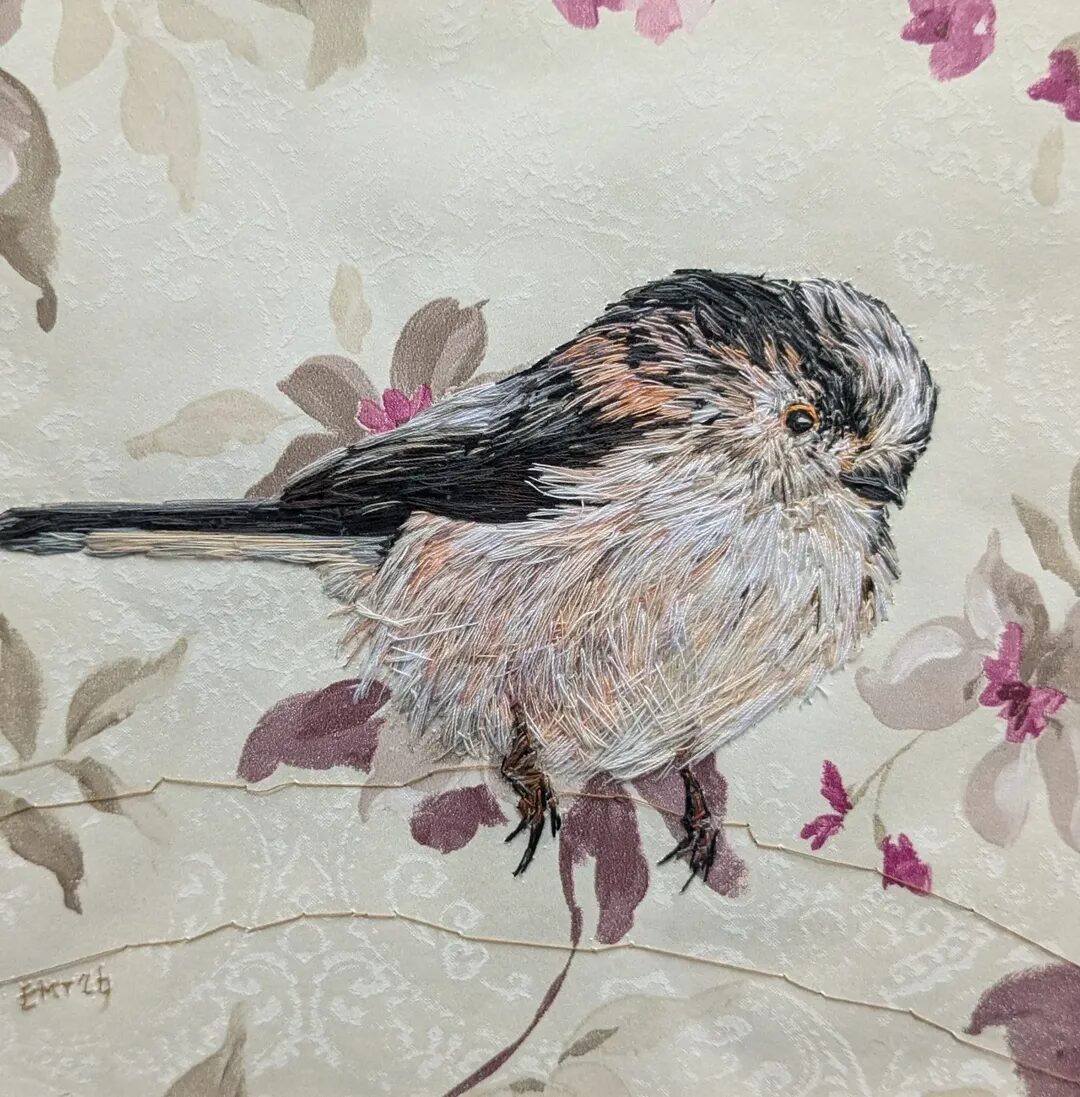
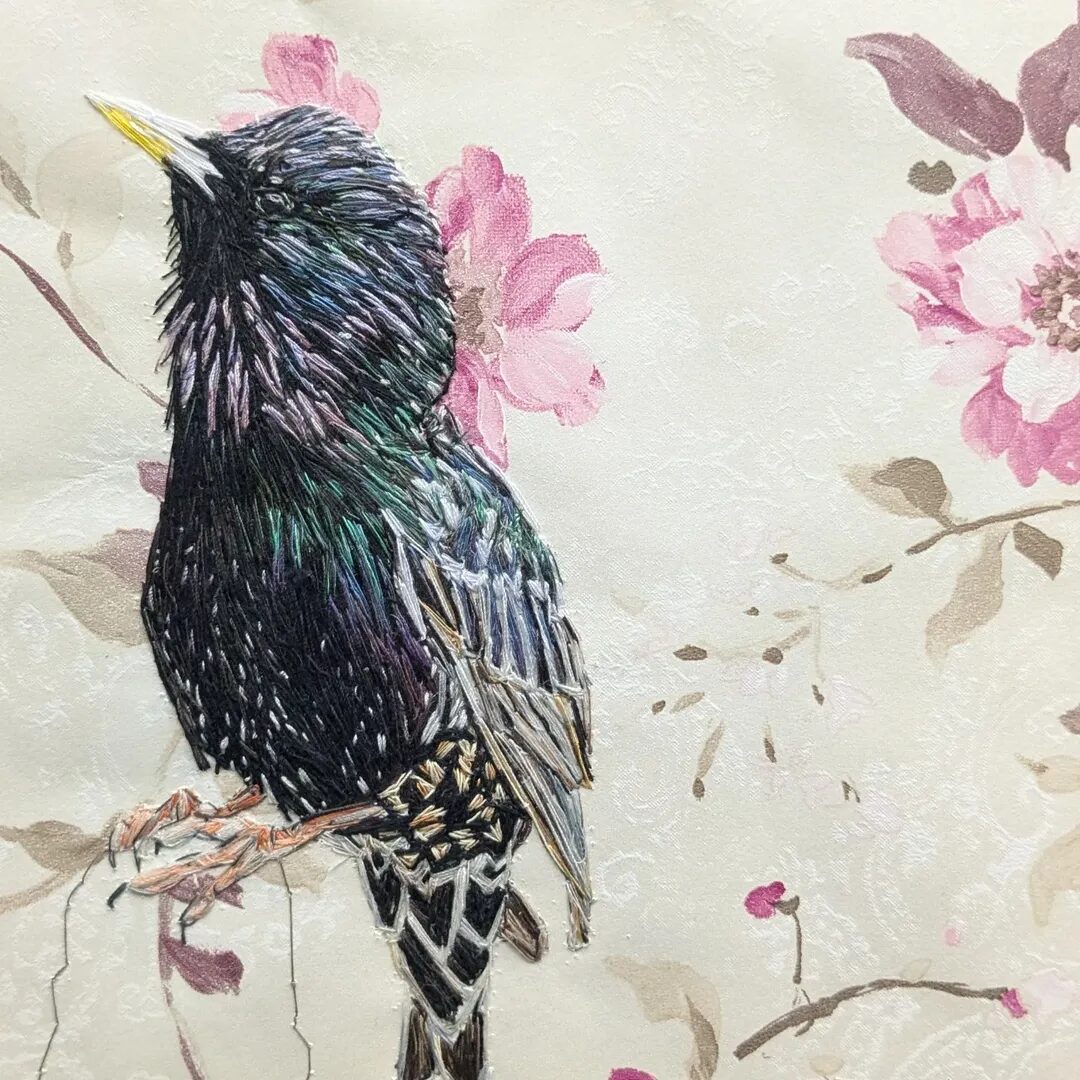
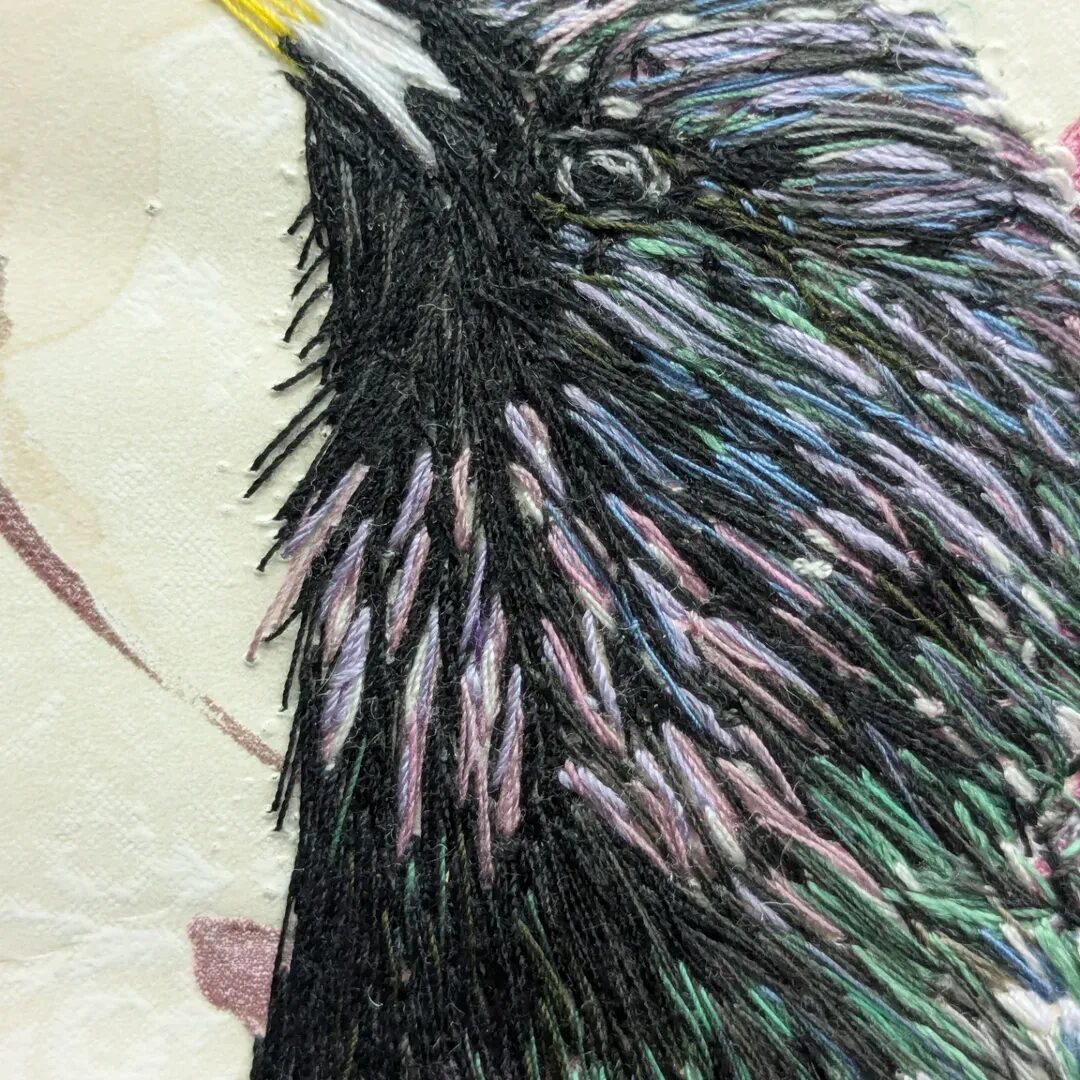
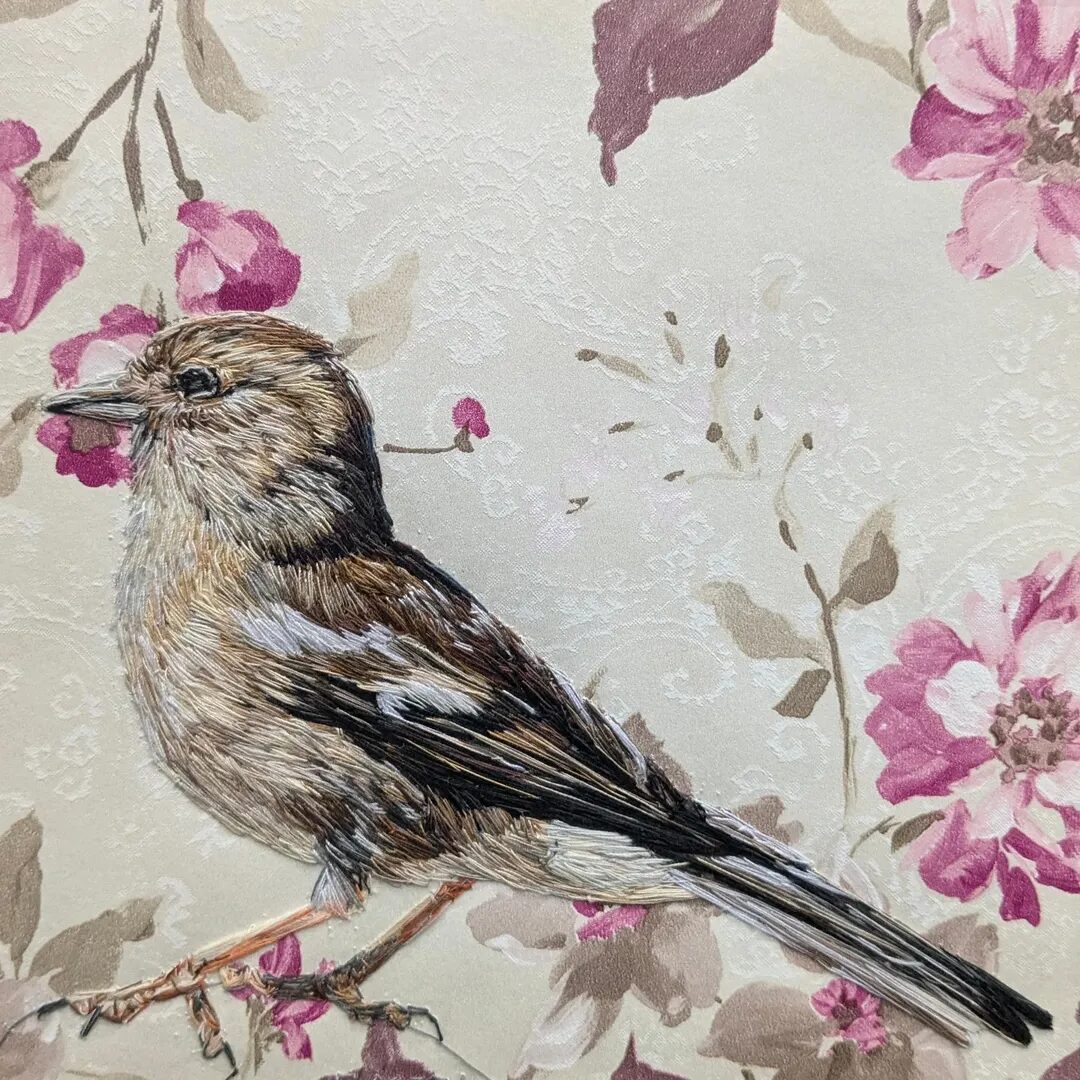
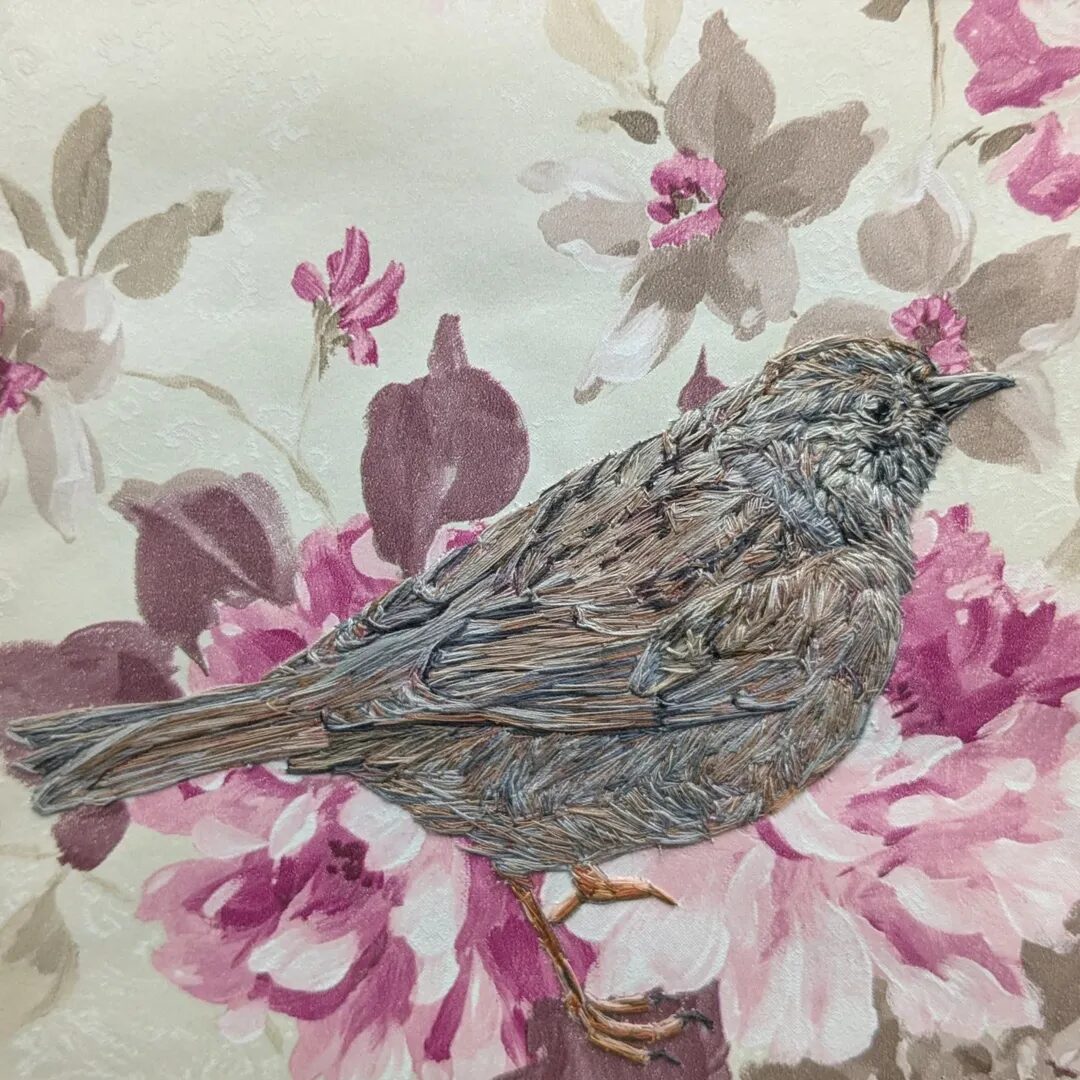
Everyone seems to be talking about AI - well - not me, I think its good to take it down a notch to appreciate slow art - by definition - things that are created by hand - and who better than our own Emily Tull the incredibly talented stitch artist - Emily was a finalist at the Sky Portrait Awards and has been extremely busy producing her unique stitch artwork for exhibitions and shows all over the UK. Emily is very much in touch with her art - and she is also an avid bird watcher and nature lover.
Living in Ramsgate she also has nature on her doorstep.
Here are just a few of her beautiful birds she has produced for a forthcoming show …. Slowing things down and making us take note of what is around us !
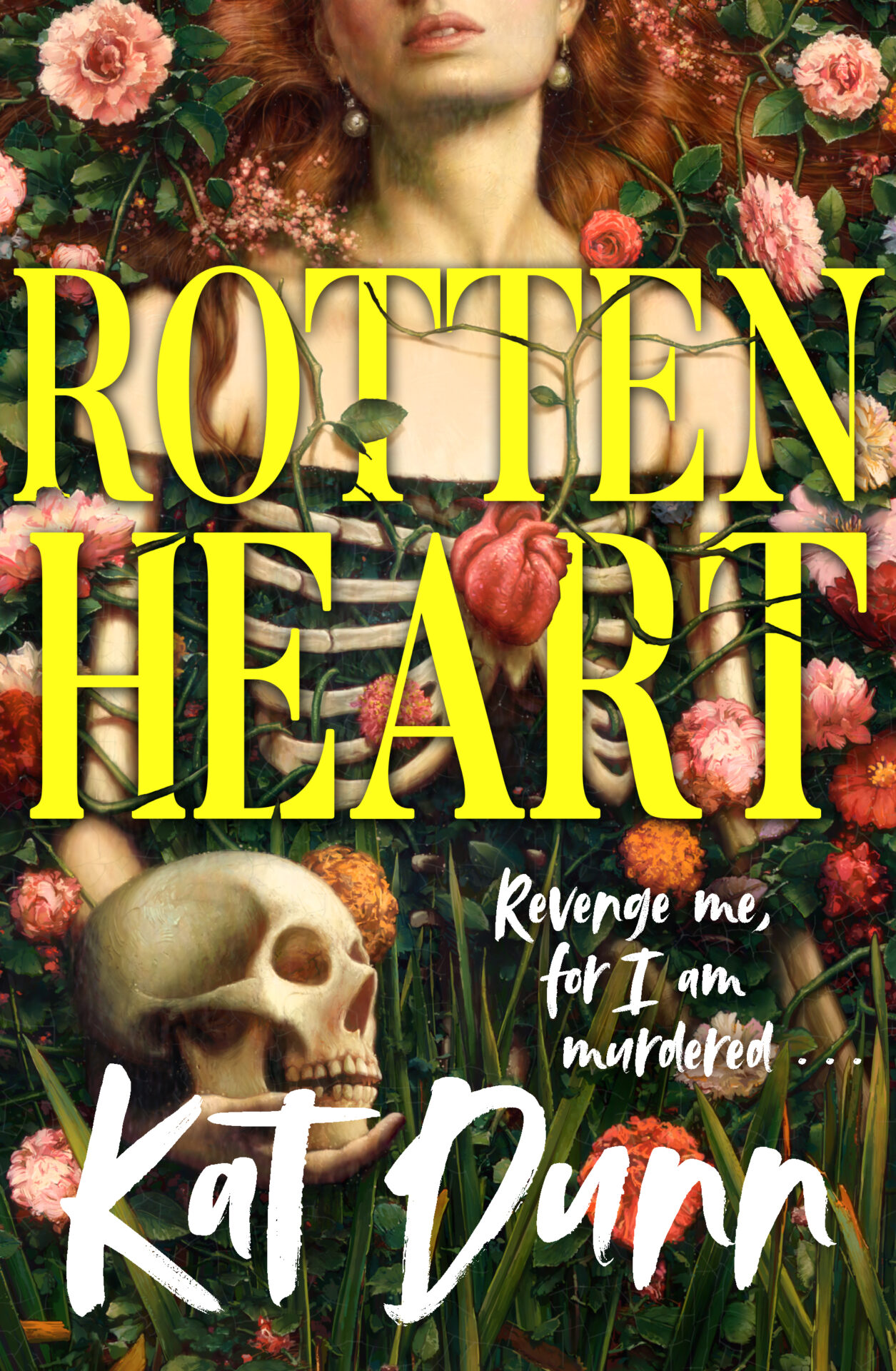
Hot off the press this fabulous cover which is the second book commissioned by Bonnier Books for the brilliant Author Kat Dunn by our very own Angelo Rinaldi …..
Rotten Heart - a gothic horror novel is set in the Victorian Era in London - Angelo has beautifully captured the feel and sensual content of this amazing novel.
With Angelo’s uniquely painterly eye he has managed to create and capture this fabulously lavish and lush cover artwork.
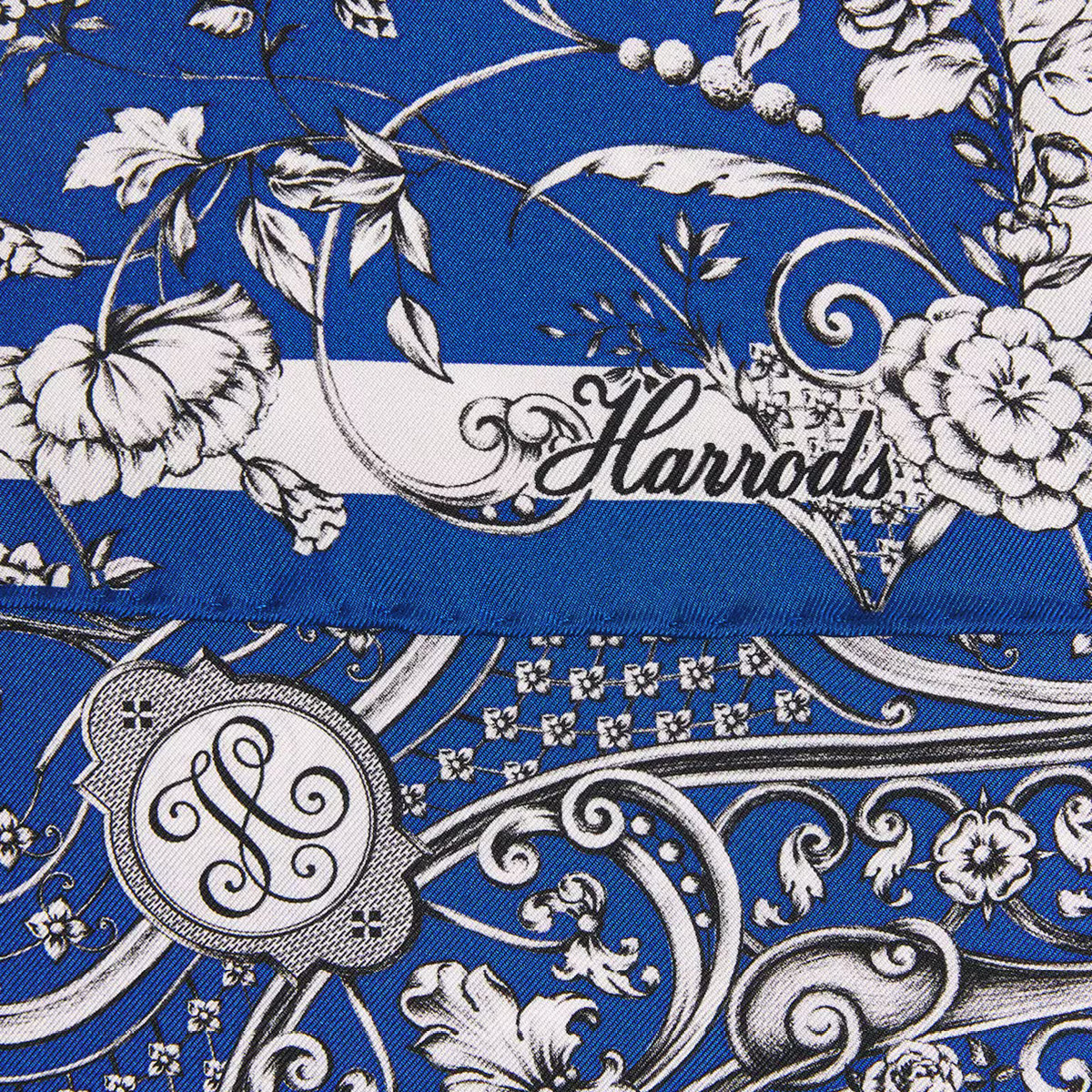
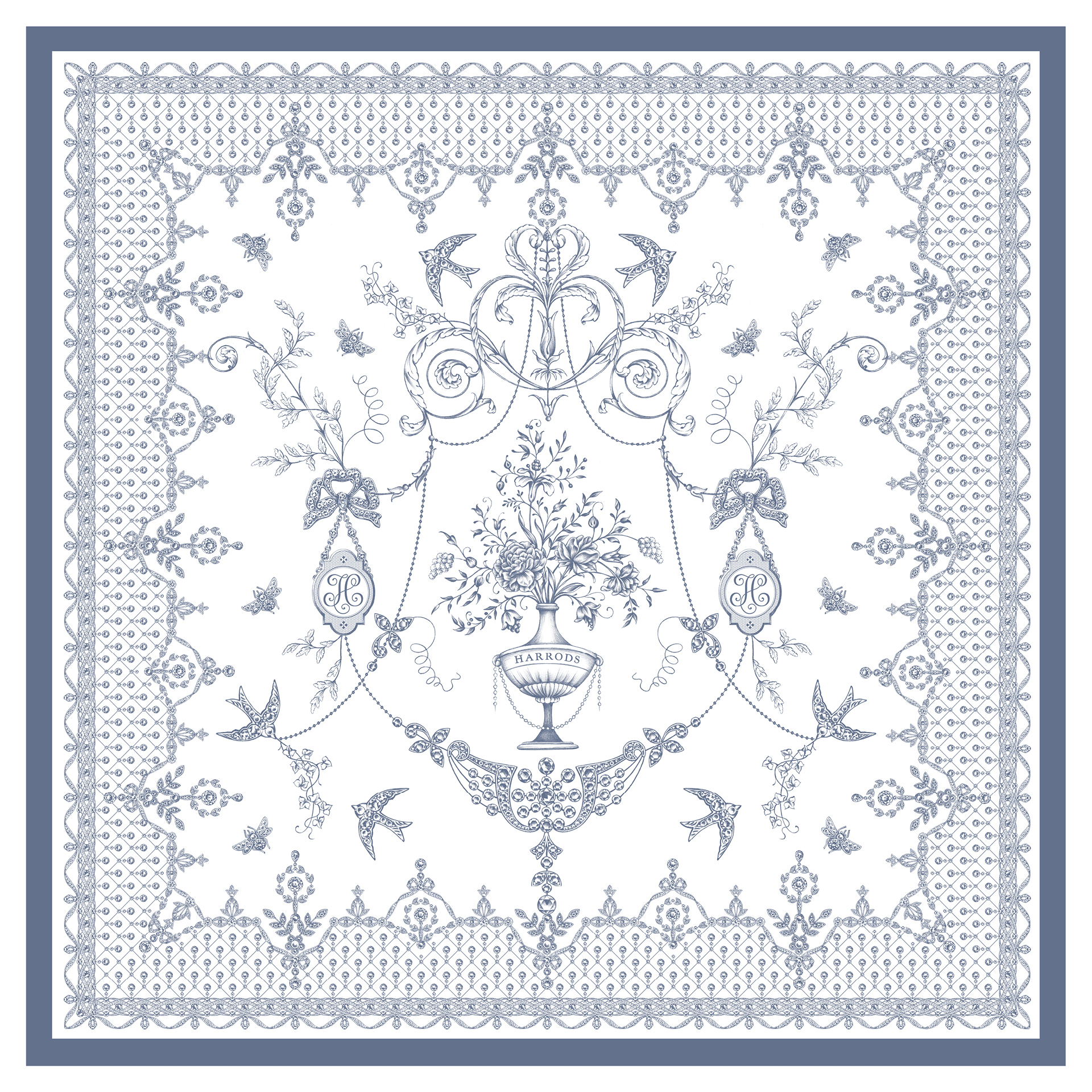
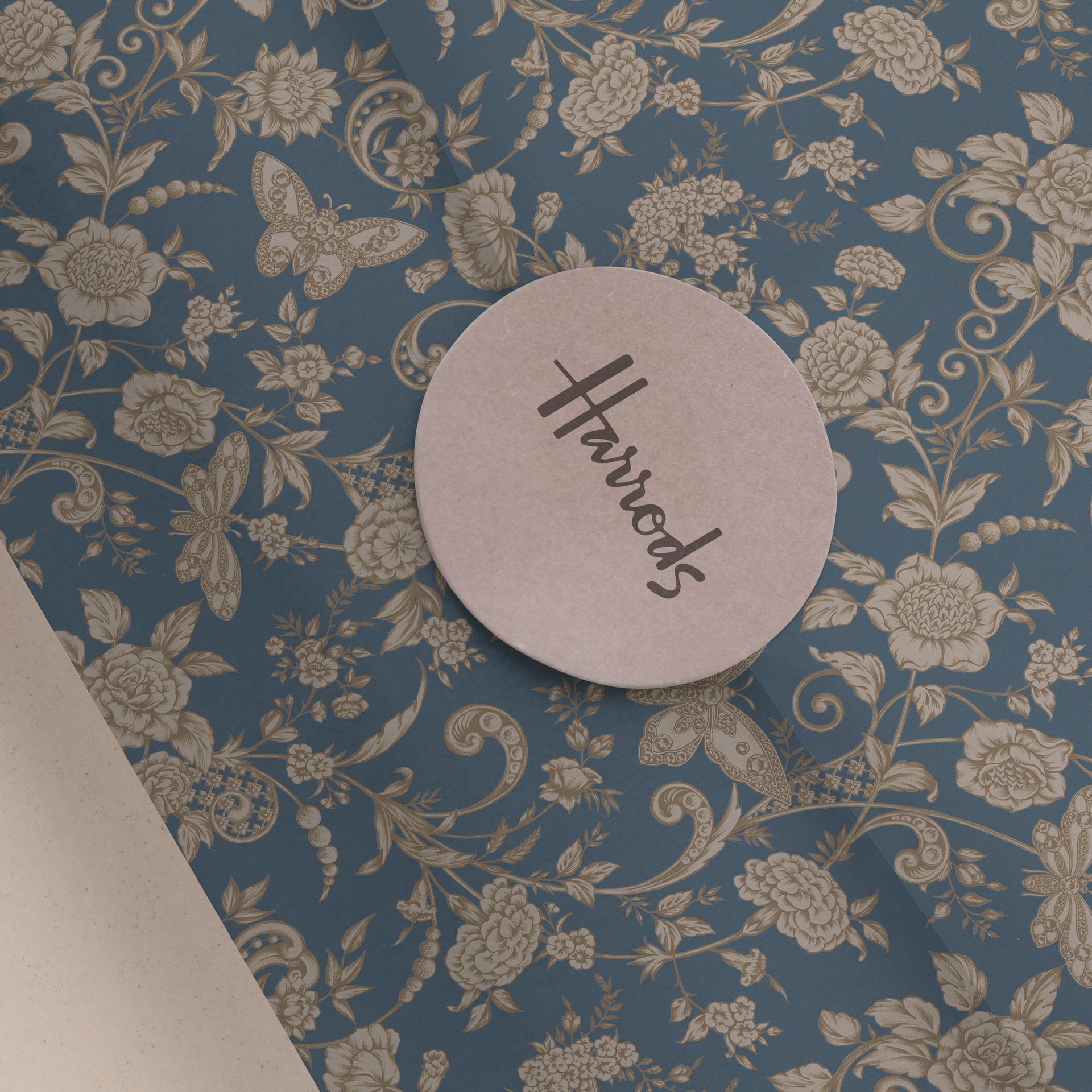
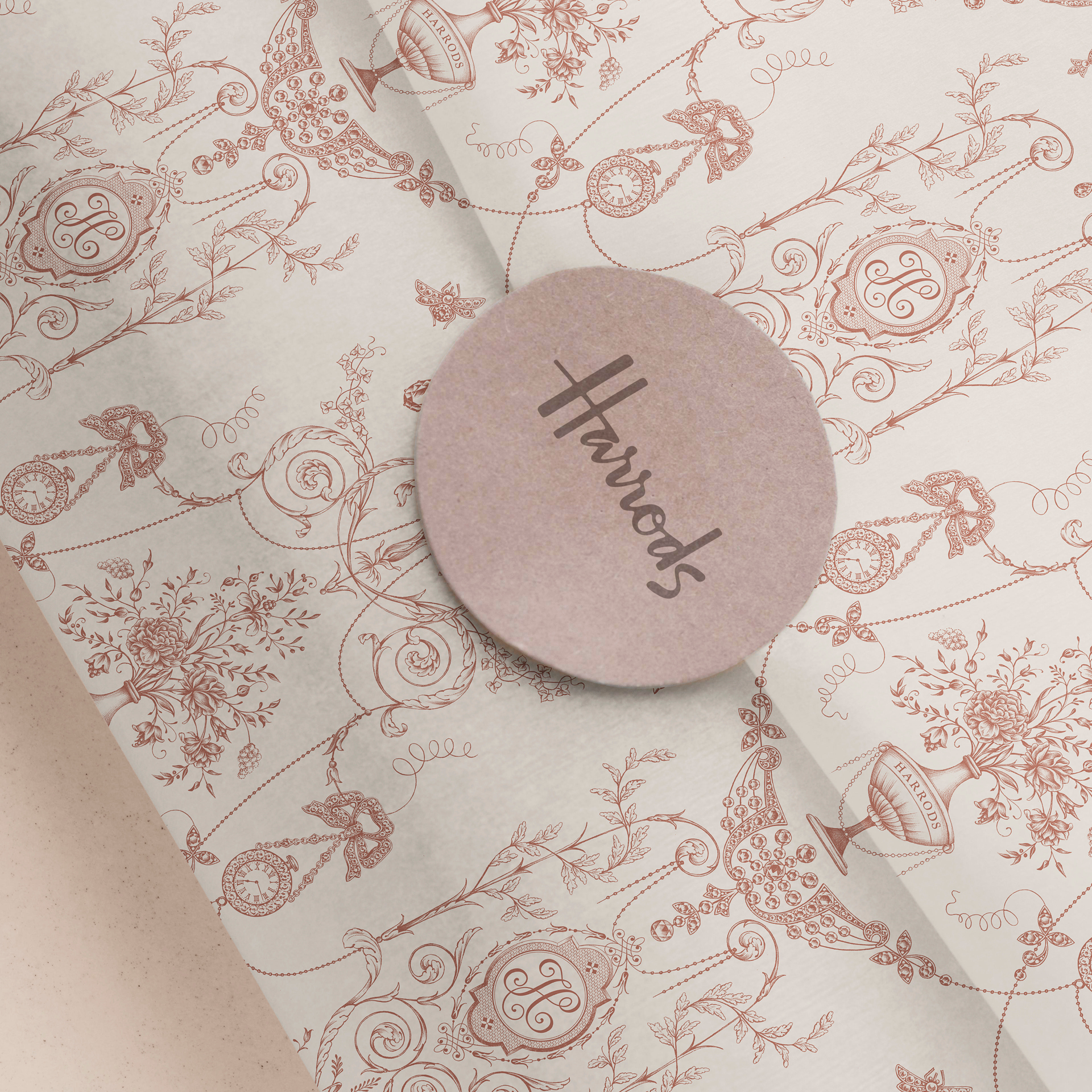
Svetlana Molodchenko designs two silk scarves for Harrods, translating jewellery archives into wearable lace.
Svetlana worked with Harrods to create ornate scarf designs, complete with borders that allow the patterns to shift, frame and combine.
Lace Print draws directly from archival jewellery illustrations, assembling gem-studded bees and floral fragments into a dense ornamental field that softens as the silk moves.
Gilded Butterfly Print introduces contrast, pairing a structured floral lattice with butterflies rendered as faceted adornments, poised between delicacy and weight.
On fabric, the work behaves like fine jewellery itself: precise, luminous, and designed to catch the eye differently with every fold.
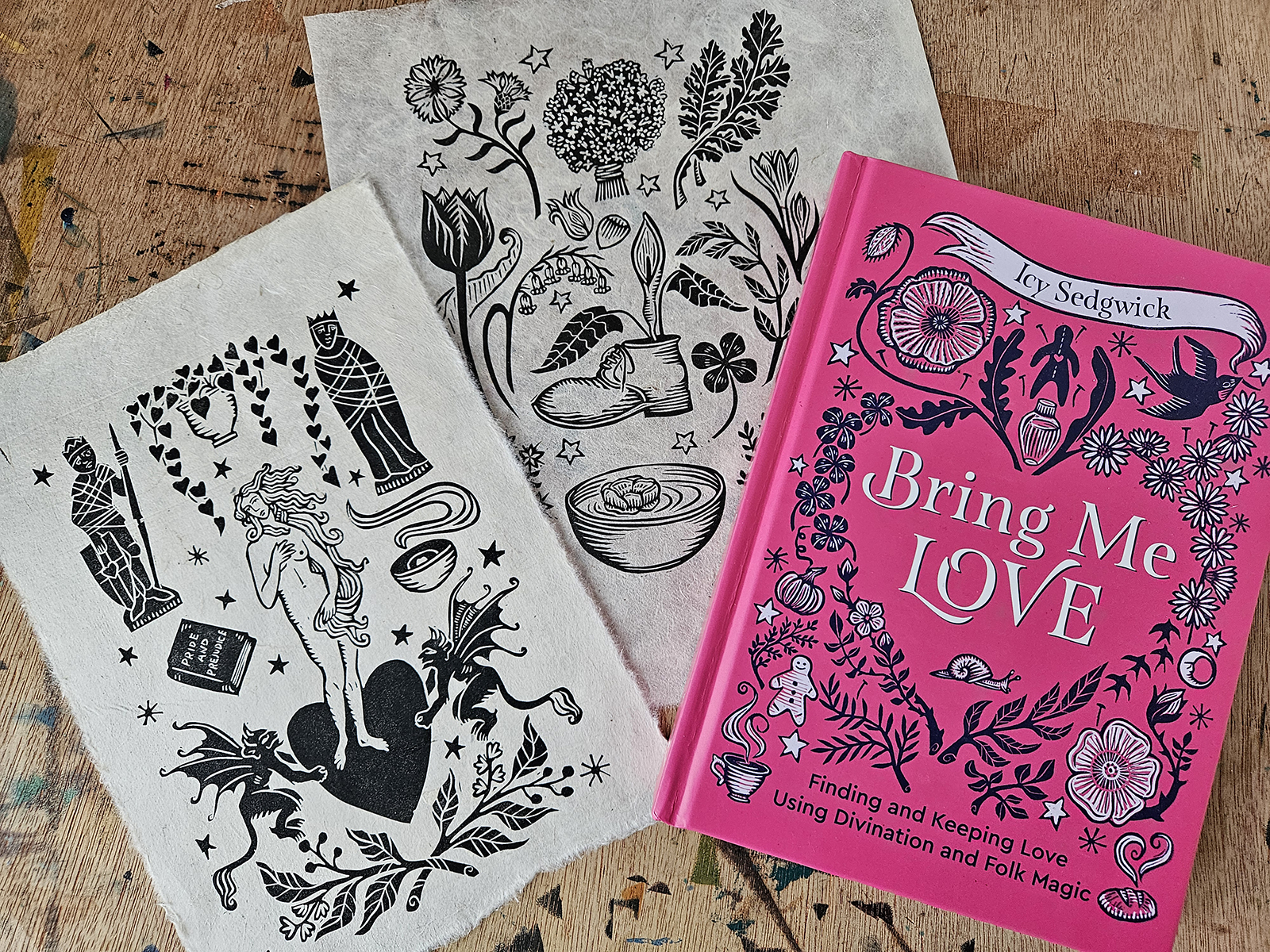
For linocut artist Becca Thorne, illustrating 'Bring Me Love by Icy Sedgwick' was a true passion project.
Fantasy author Icy Sedgwick is an expert on folklore and her latest book, Bring Me Love, is a tome of love spells, rituals and divinations that have come out of her research. To give the book an aura of traditional authenticity, Watkins Publishing recruited Bristol-based linocut artist Becca Thorne to illustrate the book. Her hand-crafted technique provides a look perfect for the age-old spell weaving detailed inside – but more than that, Becca’s main inspirations are folklore and nature. Bringing her own love of the subject to the artwork made her the perfect illustrator for the brief. We asked her to tell us more about the project.
How did the Bring Me Love commission come about?
Karen Smith, head of design at Watkins Publishing, got in touch to see if I was free to work on a book about love and divination. I was pretty busy at the time, but I’d never done something like it before, so I was really intrigued. Fortunately, they were able to push their initial deadline!
What was the brief?
I was asked to create a cover illustration and nine chapter openers, each with distinct elements that could be pulled out and used separately throughout the book. As the manuscript was still being finalised, we started with just the cover and one chapter, then did the rest in batches as the text came through.
What was it in the brief that got your creative mind firing, because ‘finding and keeping love using divination and folk magic’ does sound a bit out there?
This is just the sort of thing I love drawing – dark, nature-based, a bit magical. On the face of it, the book could easily sound a bit silly, but it soon became obvious that it's way more than a book of love spells. Icy is so knowledgeable and curious about history, folklore and plant lore that I knew it would be super interesting to work with her. And of course, I really wanted to draw all those plants and poppets.
How did you decide what to illustrate and plan the workflow?
The publisher sent me each chapter to read, and she and the author highlighted things they wanted me to explore. This was great, as I was able to read the whole text to put things into context and also add any other relevant imagery I was drawn to. I was working in batches of two to four illustrations at a time as each chapter was finalised, so there wasn't too much to do all at once.
How was the project managed?
I’d create an initial rough sketch for the client to review and maybe suggest edits, and then I’d work that up into a secondary rough which would go to the author for final approval before I carved and printed the finals. We were all pretty in-sync with our ideas, so it was a pleasingly collaborative and simple process.
So many skills are needed to achieve a linocut print. You’ve got to plan the composition, you’ve got to draw it within the parameters of the medium, then carve it and eventually actually make the prints. How did you approach each artwork?
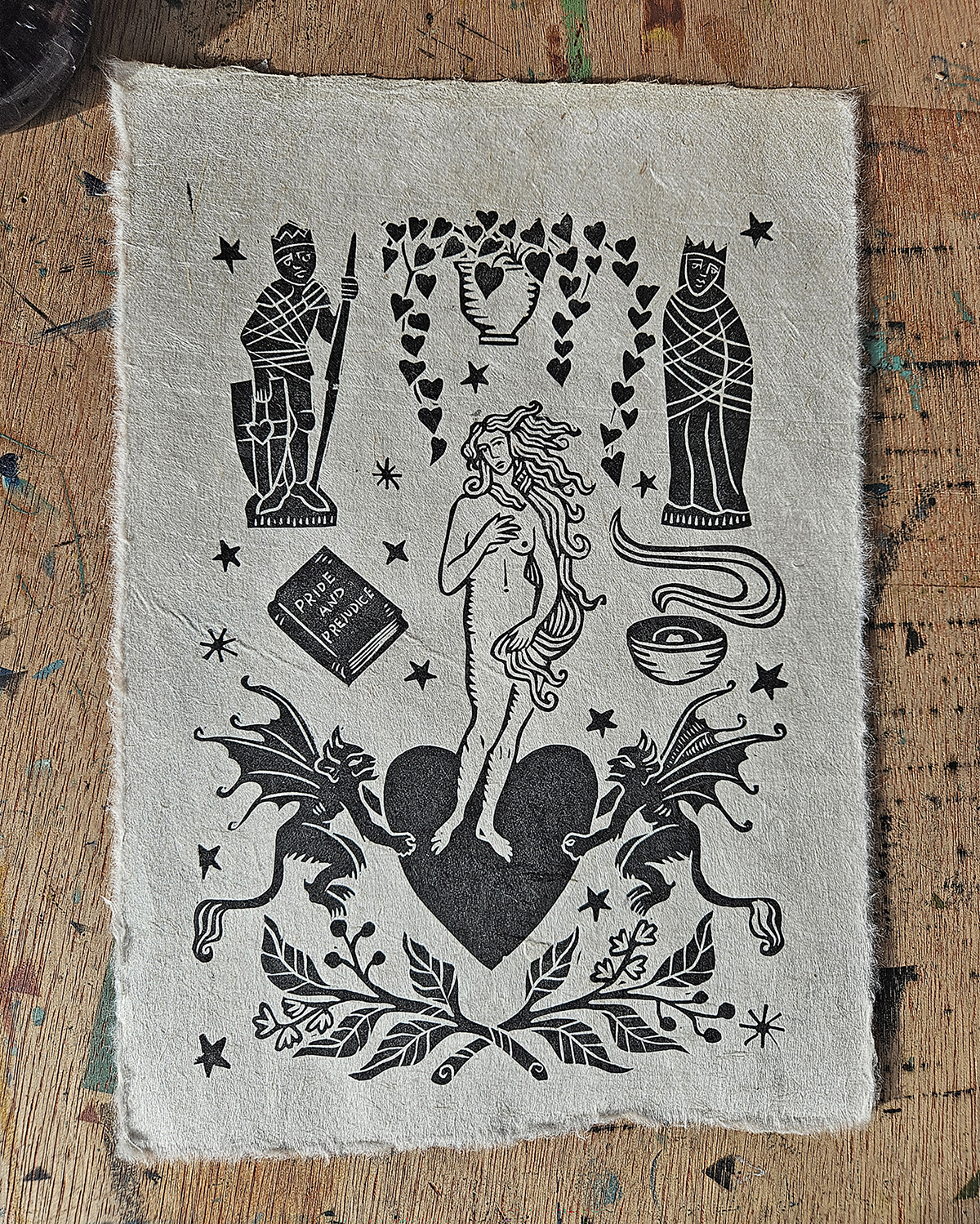
Lino cutting is done backwards and in negative, so when I’m sketching, I’m always thinking about how it will translate into carving. I use texture and negative space to create depth when working in single colour, and I like to do everything at the final publishing dimensions whenever possible, so that I know exactly how all the cut lines and textures will appear on the page. I’ve got tools that allow for a fair amount of detail, but of course there’s a limit to how far I can go, so I’m always taking that into consideration.
How was the cover designed, how were the elements for it chosen, what were the challenges involved and how did you overcome them?
I was given a list of potential items from each chapter to use on the cover, and the client had a few suggestions for potential layouts, so I sketched some very rough compositions for them to choose from before working one up further. The cover needed to give a beautiful and playful sense of magic, history, love spells and folklore without looking either too twee and silly, or too heavy and gothic. It was a fine line to walk, but I think we got it!
What were some of your favourite internal illustrations?
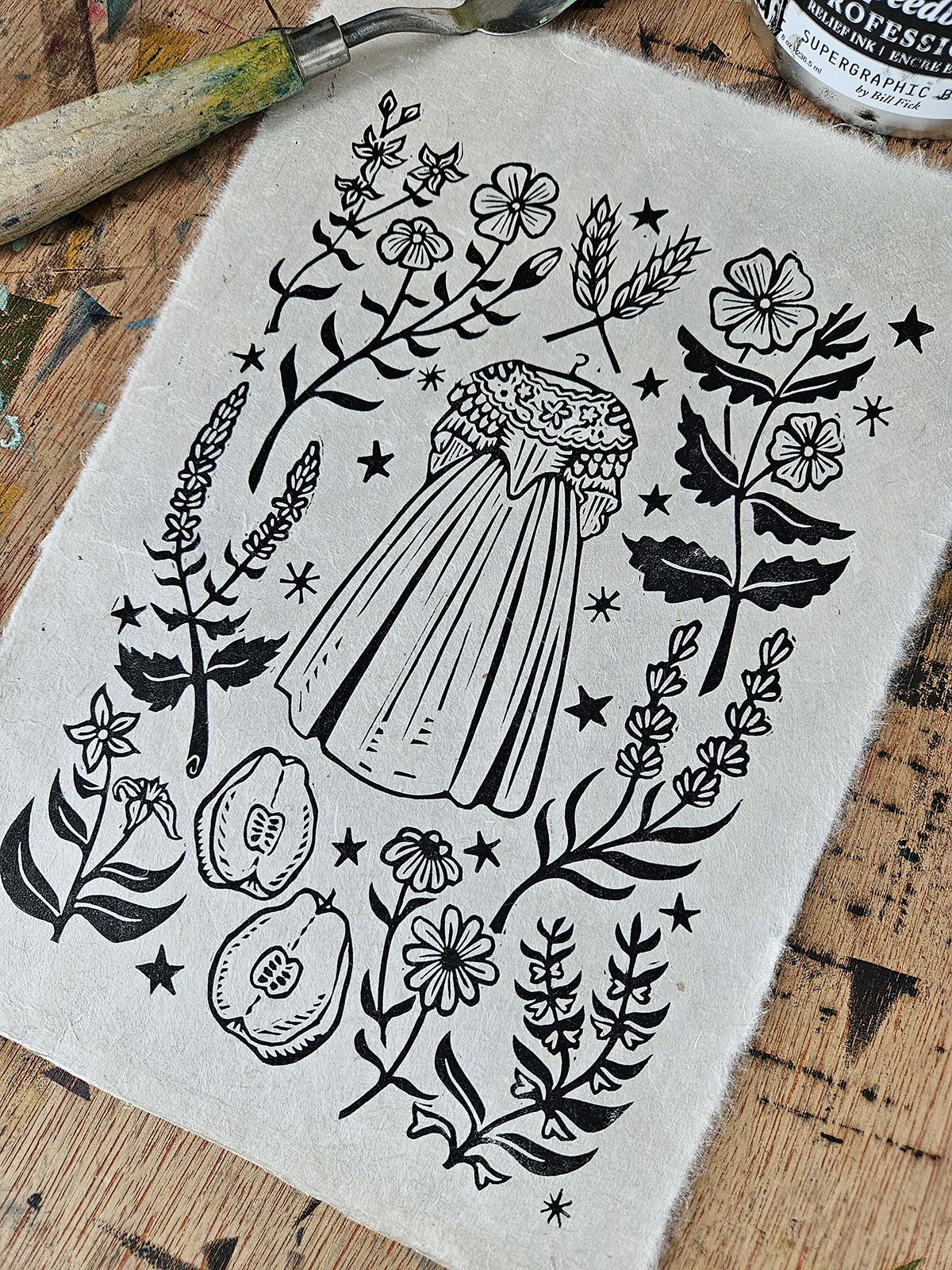
That’s a really hard one to answer. I’m quite fond of the introduction illustration, and the one for the Plants chapter – those two were particularly enjoyable to research, sketch and carve. I really like the illustration for the final chapter too – fun fact: that’s Queen Victoria’s wedding dress.
And what were the most difficult images to resolve or get right, and why?
The hardest thing was probably ensuring consistency through all the illustrations, as I was doing them in small batches over several months with other jobs in between. I’m usually working on two or three jobs in tandem, and they naturally tend to inform one another, so if there’s a pause in a job it can be easy to slip into a different frame of mind with other projects, and it can be tricky to pick back up where I left off. Fortunately, I was working on other things that linked well with this one, so I was already in the right zone when it was time to start the next batch.
Was there anything about the process or the feedback that you feel helped you excel?
It’s always wonderful when a publisher supplies the manuscript with a brief, as it helps build a more complete picture of the book. By reading the full chapters, I could put the client’s and author’s suggestions into wider context, thinking about the time period, an item's usage and the theme of that chapter. Discovering the author’s podcast was also really helpful, as it allowed for very informed research.
Were there any magical accidents along the way?
While working on Bring Me Love, I was also working on the illustrations for the Folio Society’s edition of Hamnet, and the two connected beautifully. As one of the main characters in Hamnet is an apothecary, I could draw on what I was learning from Bring Me Love to help me incorporate meaningful flora into the Hamnet illustrations, and the wider narrative from Hamnet into my work on Bring Me Love.
What was it like really embracing folklore, magic and mysticism – topics you love – during this project?
I’ve always been interested in folklore – the ways people told stories to make sense of the natural world and their place in the universe, as well as for entertainment. So, I really enjoyed this project, and I learnt things that continue to inform my personal work as well as other commissions.
What is your verdict on the final outcome?
I think it looks great, I particularly love how the illustrations were used within the text.
And what has the feedback been like from the people who really matter, the readers?
The response on my social media has definitely been positive!
Phosphor's Lee Ford has been experimenting with progressing his style and treating figures in a more graphic way.
Lee’s unique approach to graphic image making has a strong connection to traditional print based methods and has evolved through many years of experimentation. These traditionally printed elements are combined with digital and analogue graphic processes that include found ephemera, drawing and photography all described using a playful, visceral visual language that explores both concept and aesthetic in equal measure.
Lee describes his passion for graphic processes and obsession with surface texture as playful, expressive and emotive.
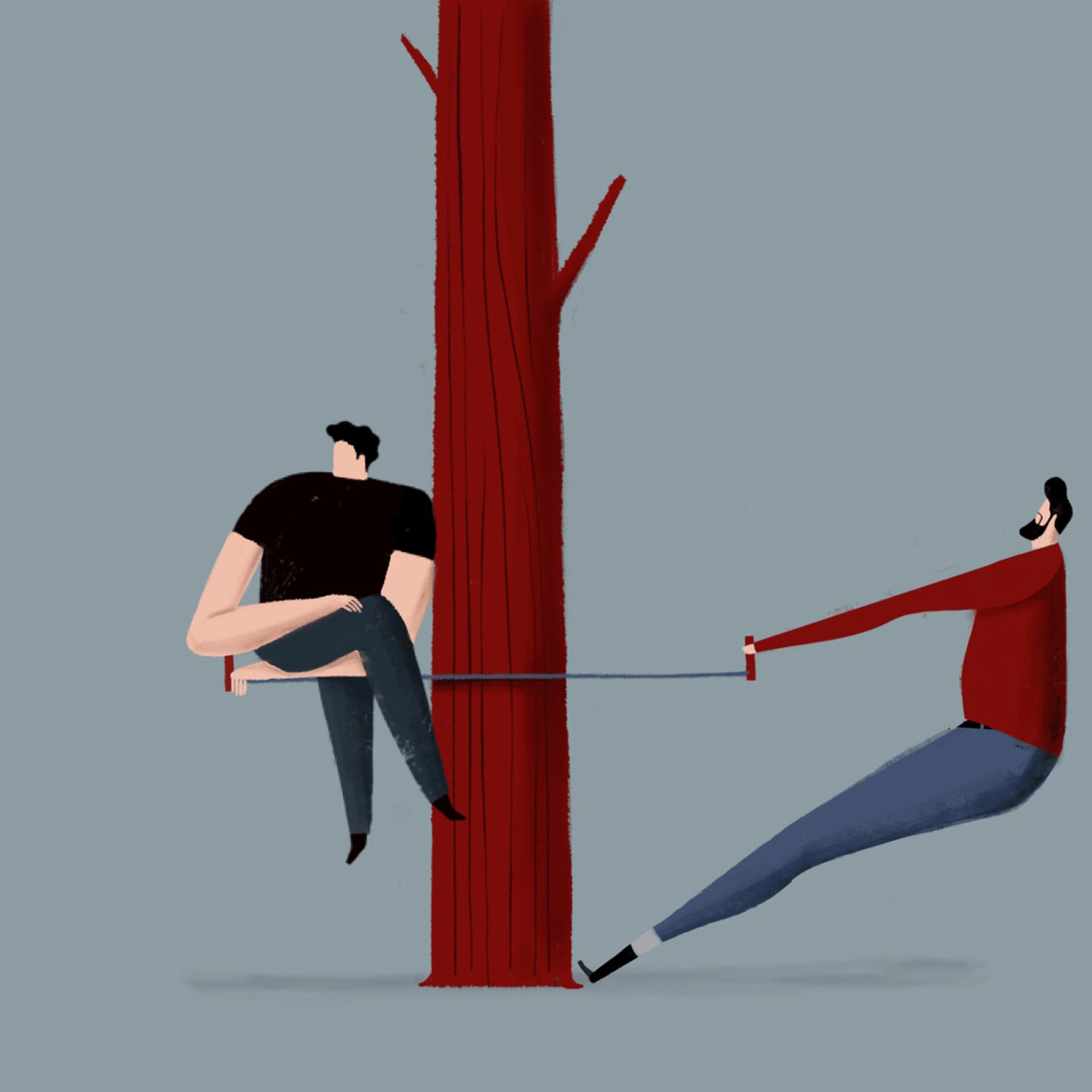
Phosphor's Pepe Serra is a visual communicator and illustrator based in Tarragona, Catalonia.
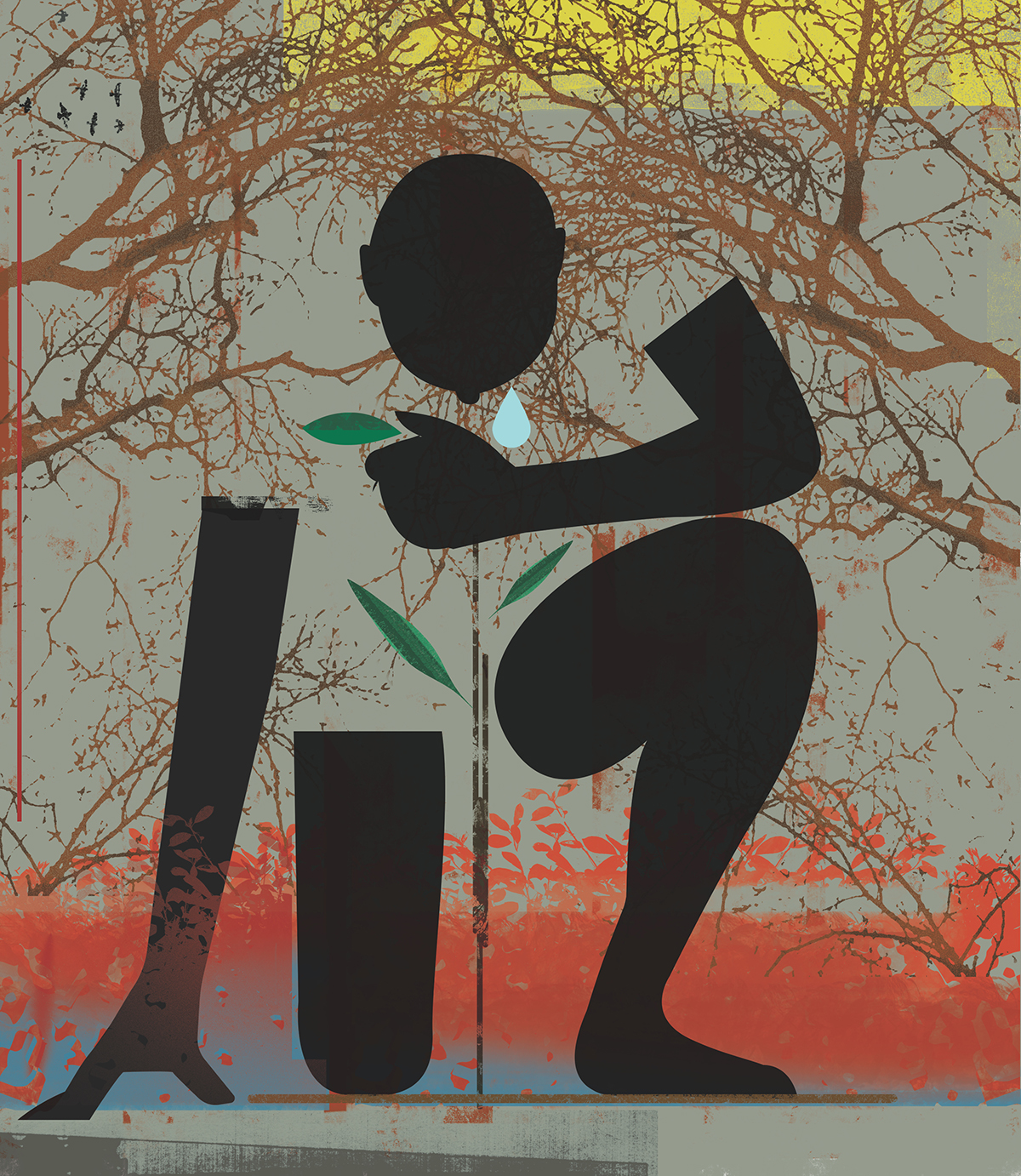
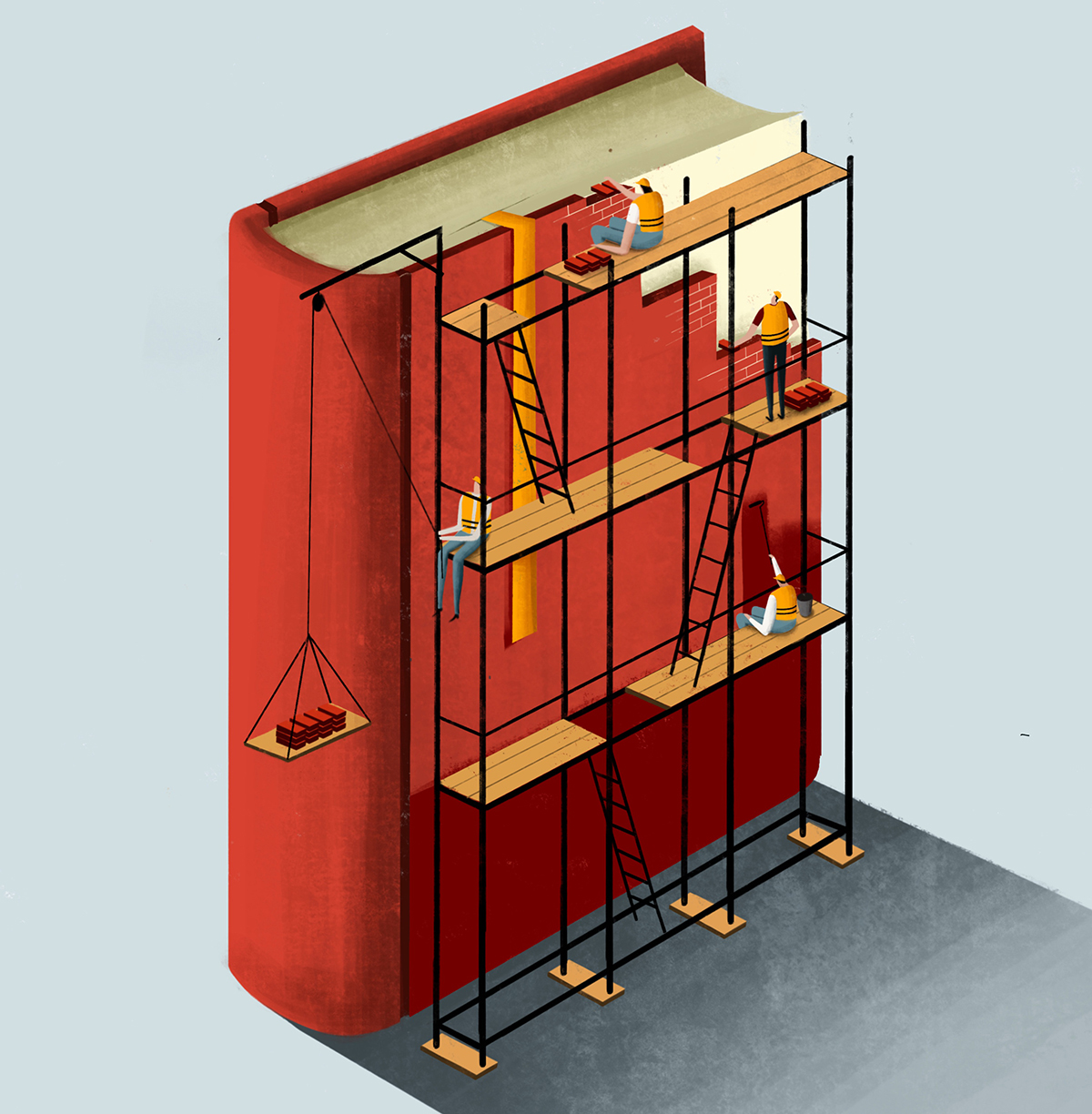
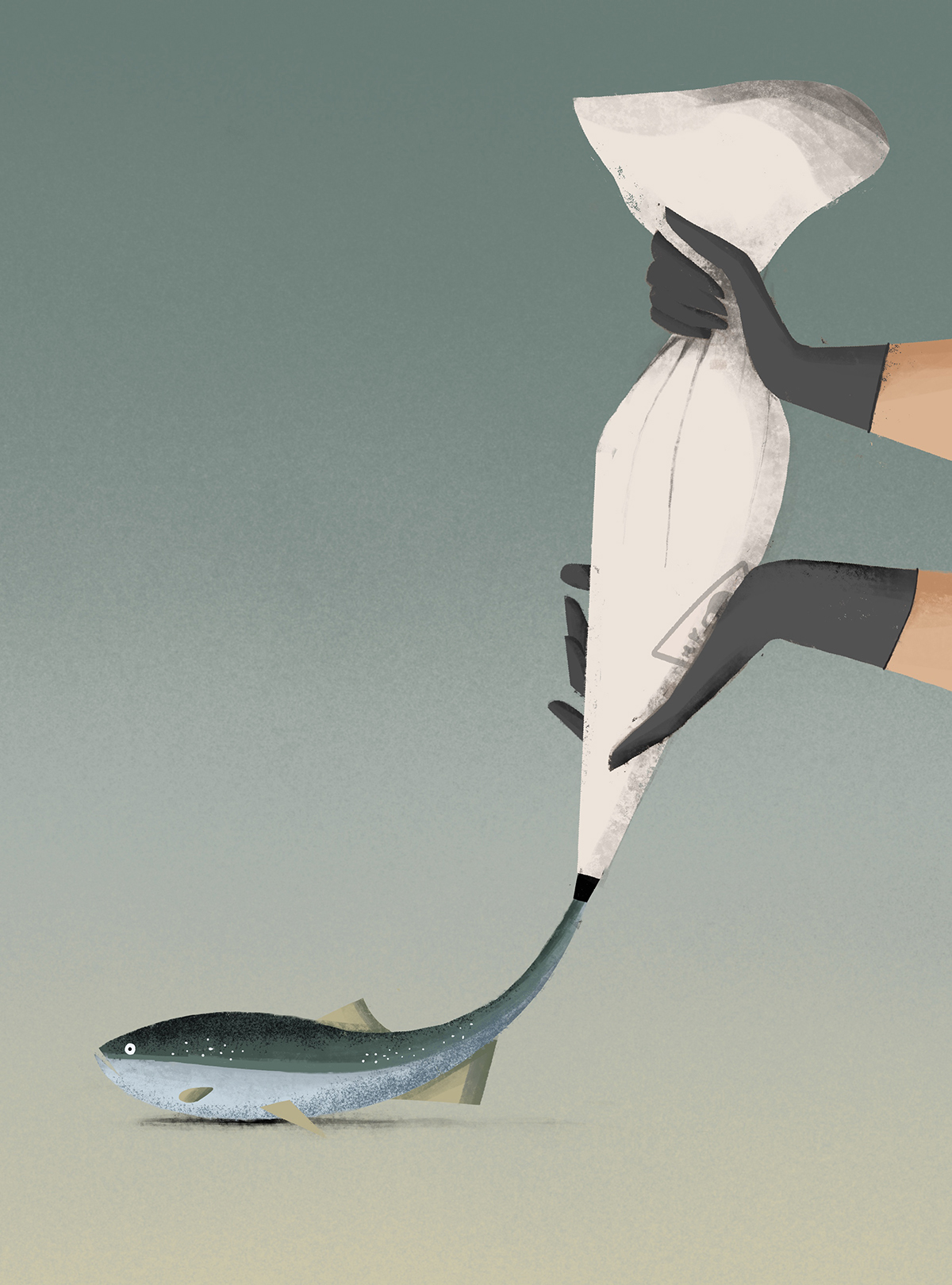
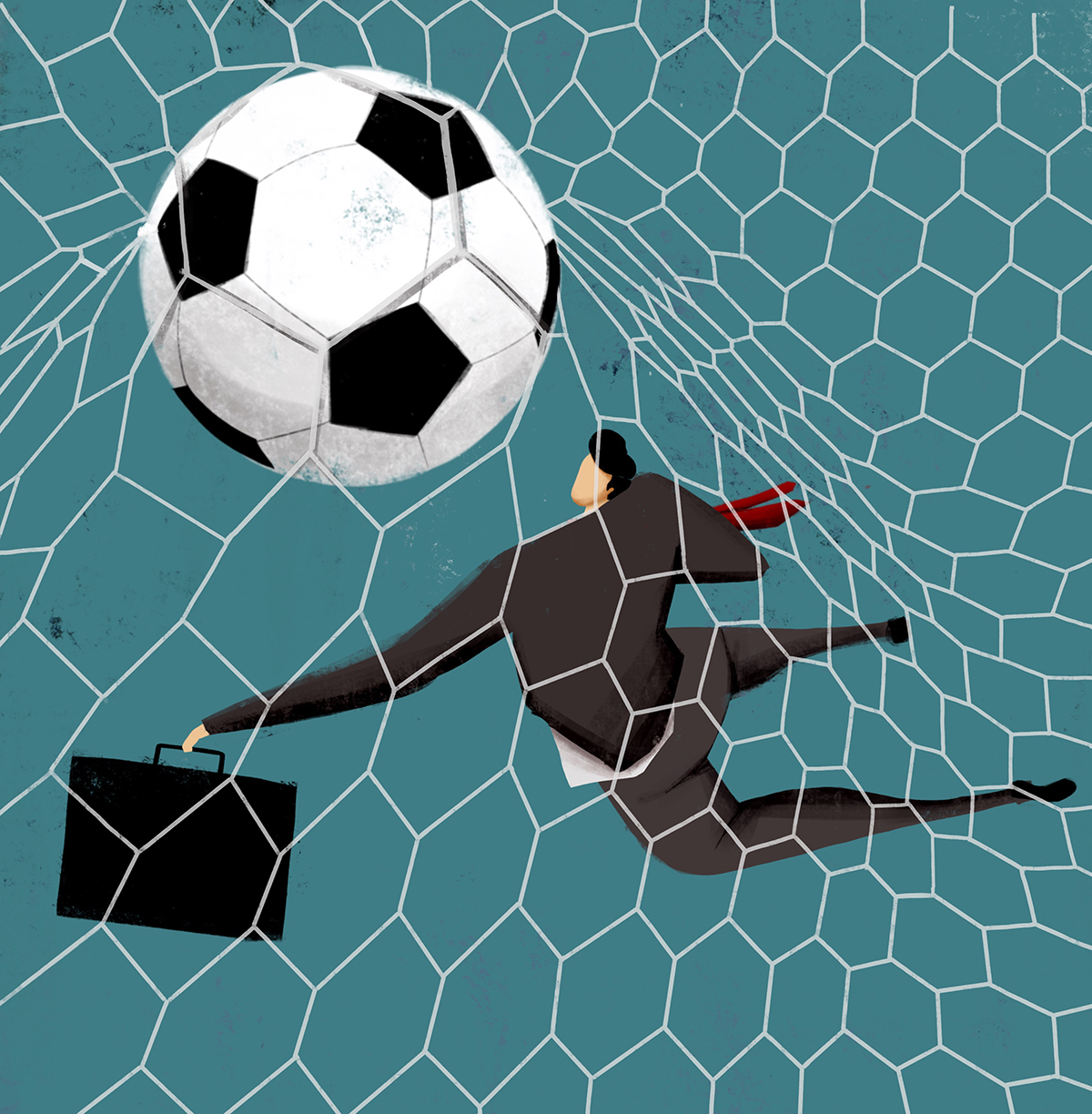
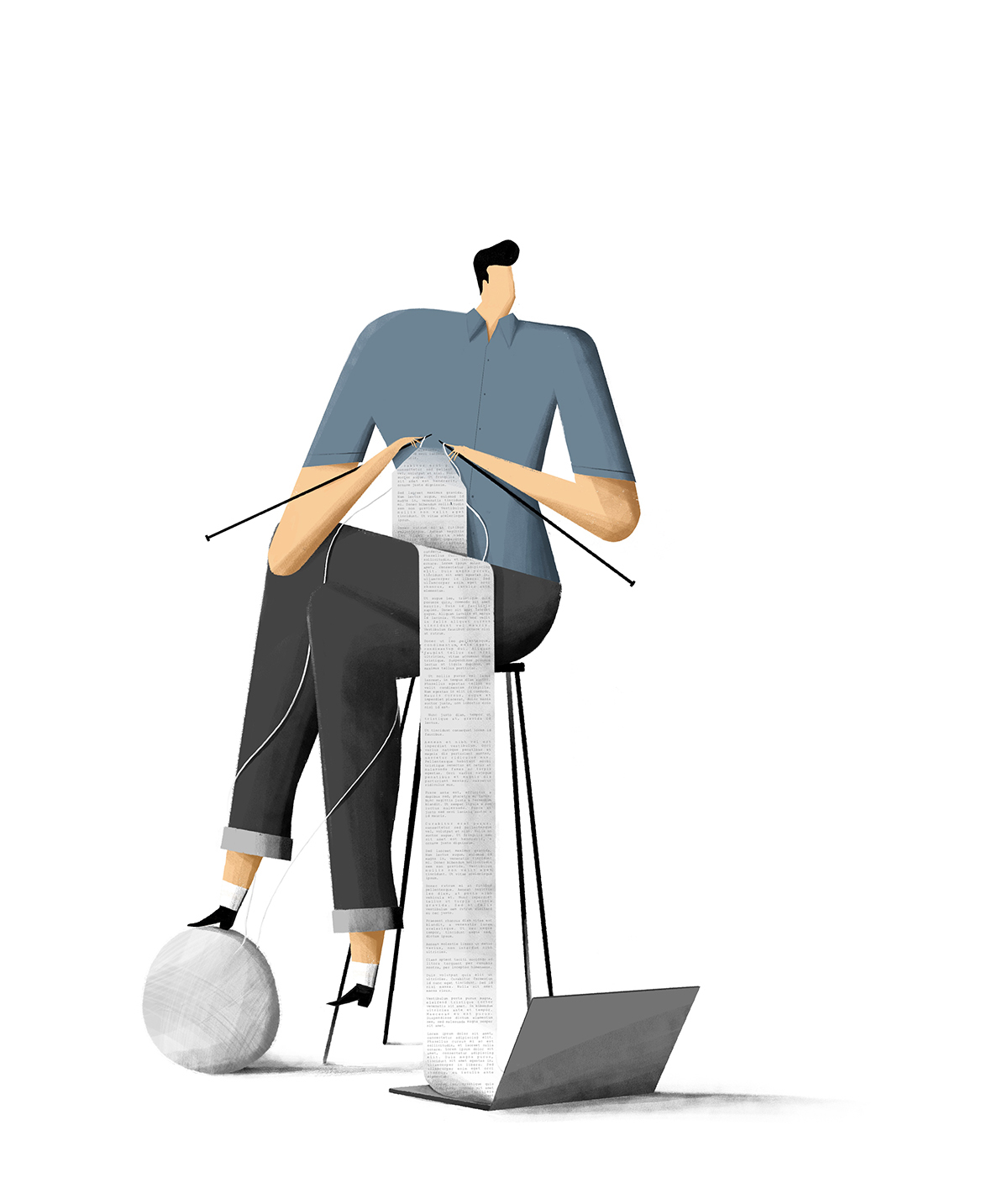
Pepe has a deep interest in how images can shape understanding and spark emotion. "My work focuses on turning complex, abstract, or nuanced ideas into clear, striking visuals that engage the viewer both intellectually and emotionally," says Pepe, who specialises in "fast-paced digital illustration, combining clarity, boldness and a strong conceptual core".
While Pepe does have a distinct and identifiable style, often featuring long-limbed characters and a rich colour palette, the graphic communicator says he has "always been very clear that the common thread in my work isn't technique or style, but rather the concept and the idea I want to convey". Pepe says: "Illustration is simply a tool that allows us to communicate, just as we do with words".
"Over time, the technique has changed as a result of the tools I use, since professional illustration today cannot be understood without going through technological tools," Pepe told Diari de Tarronga.
Pepe regularly contributes to major international newspapers, collaborating closely with editors and art directors to meet tight deadlines without compromising depth or originality. Pepe says: "I approach every commission not just as a visual task, but as a chance to translate thought into form, helping audiences see things from a new perspective".
Alongside commissioned work, Pepe gives talks and workshops on creativity, conceptual thinking and visual communication. "I believe that illustration is not just a craft but a language — one that evolves constantly and offers endless potential for experimentation, critical reflection, and storytelling," says Pepe.
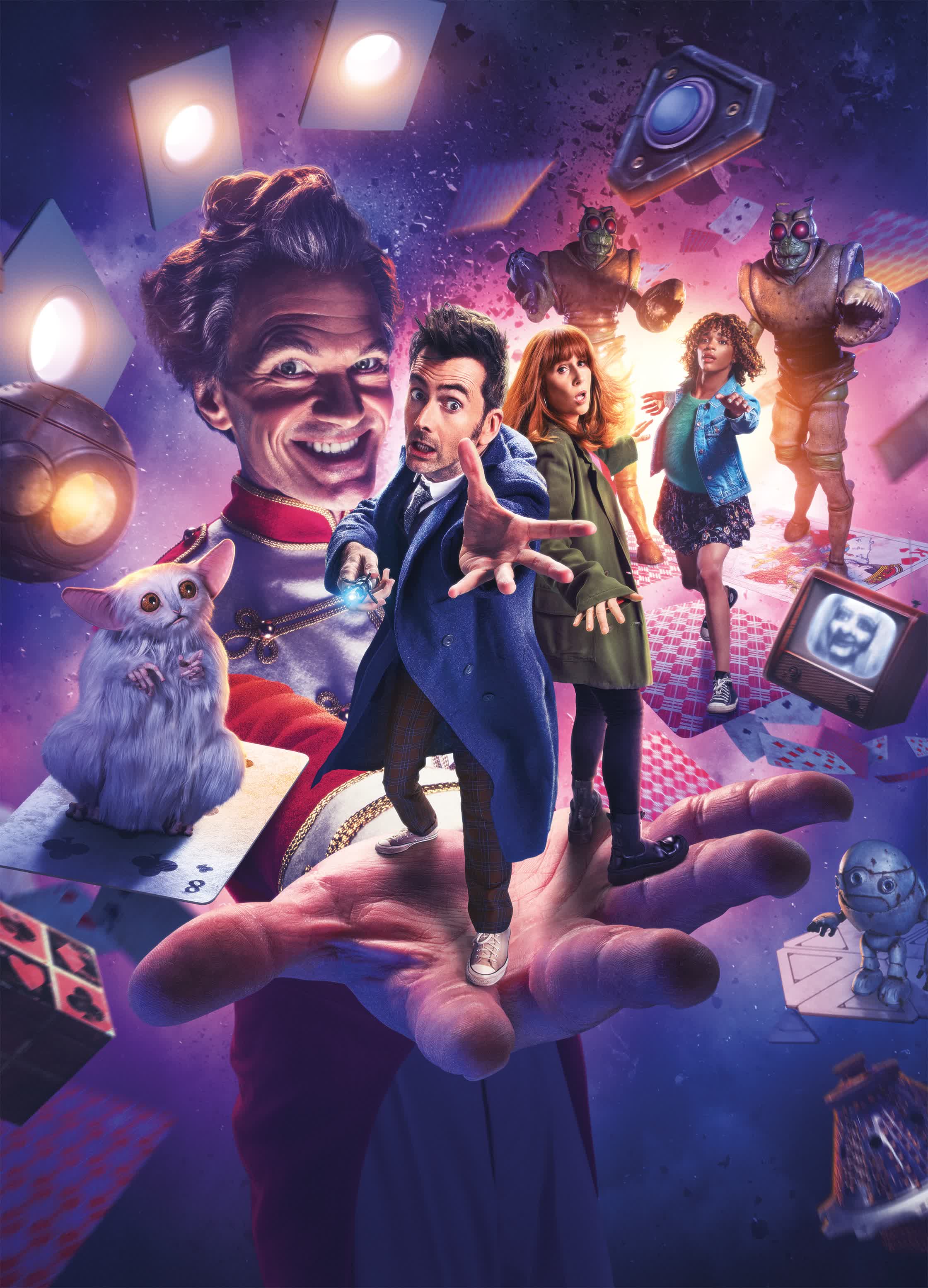
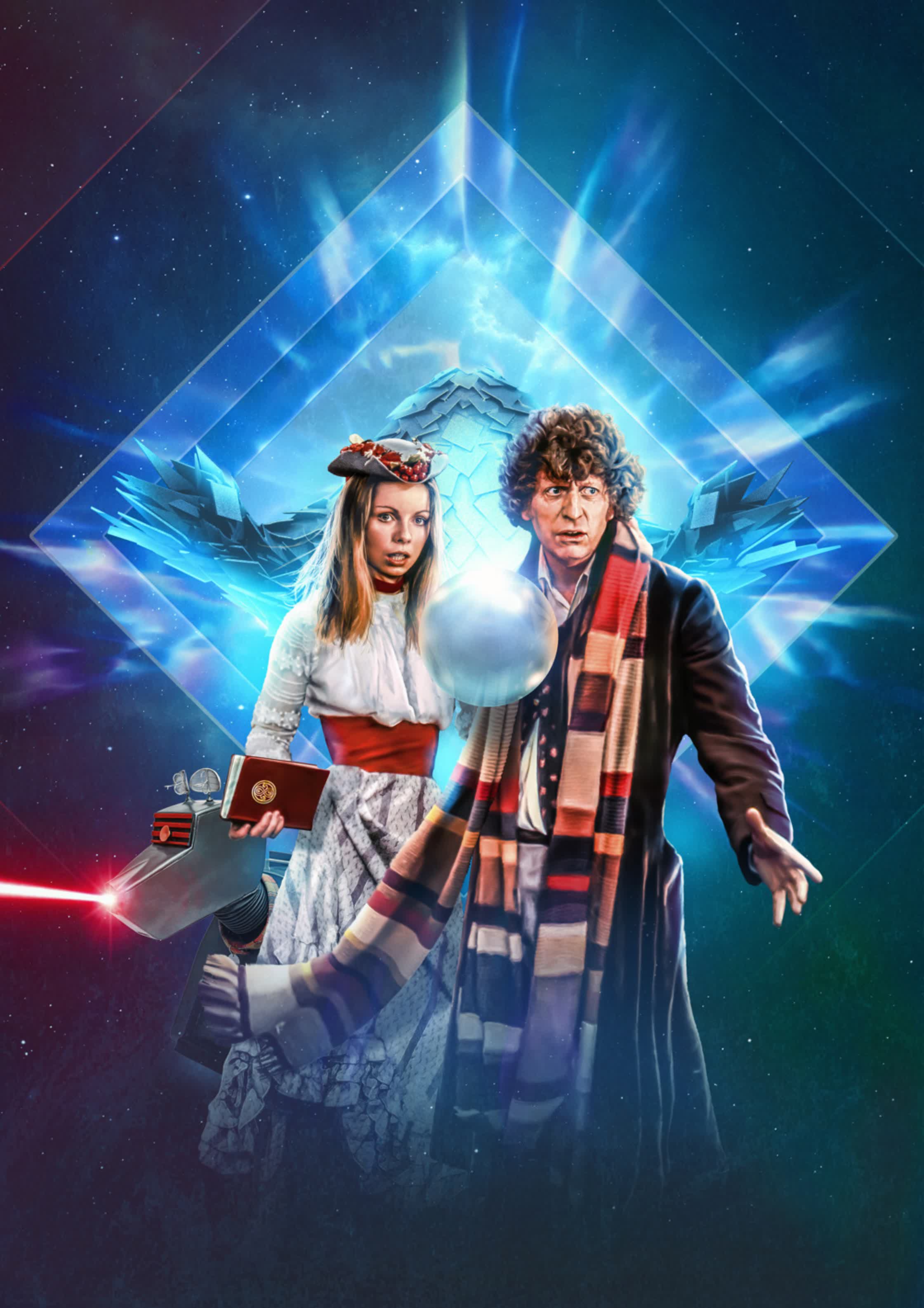
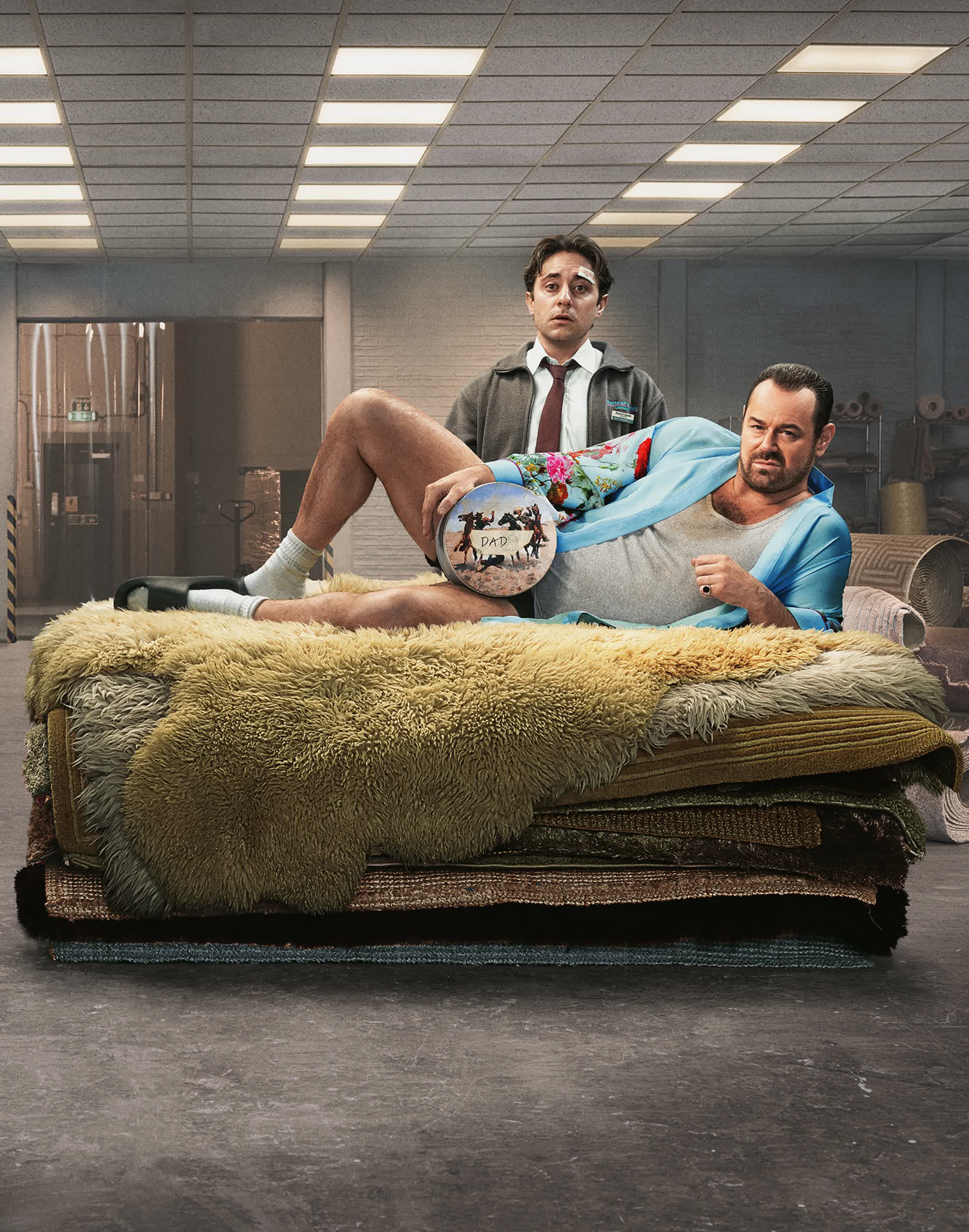
We are pleased to announce that we are now representing artist Lee Binding.
Lee Binding is a visual artist and creative re-toucher who treats key art like high drama and Photoshop like a controlled substance. Best known for turning cult television into cinematic spectacle, he creates art that feels epic and luminous. He moves effortlessly across retouching, digital illustration, packaging and key art - joyfully applying his craft wherever bold visuals are required.
Clients include BBC, BBC Studios, Sky, Random House, EOne Entertainment, 2|Entertain, Whatisbobo, Cubicle 7, Panini, SFX Magazine and Empire Magazine.