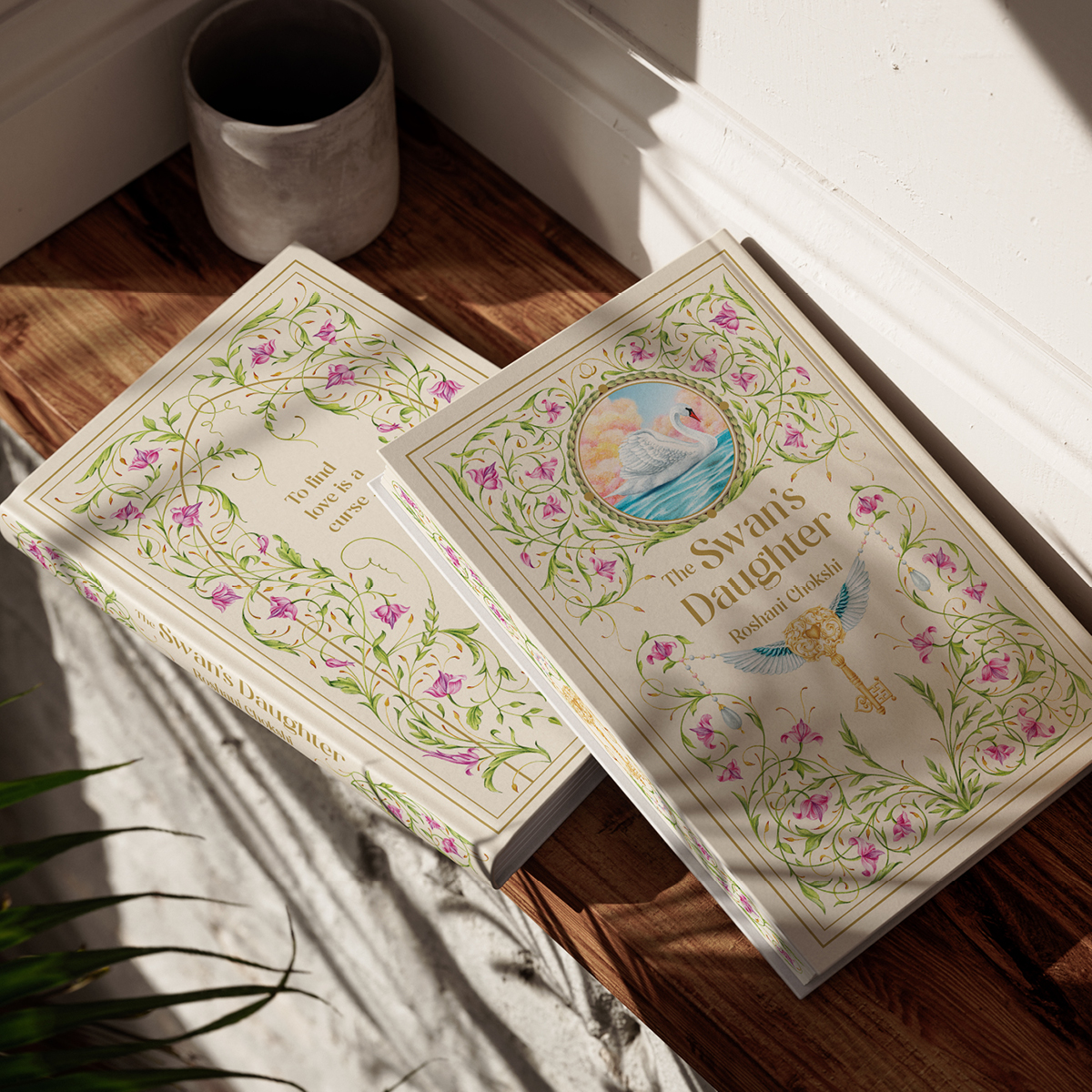
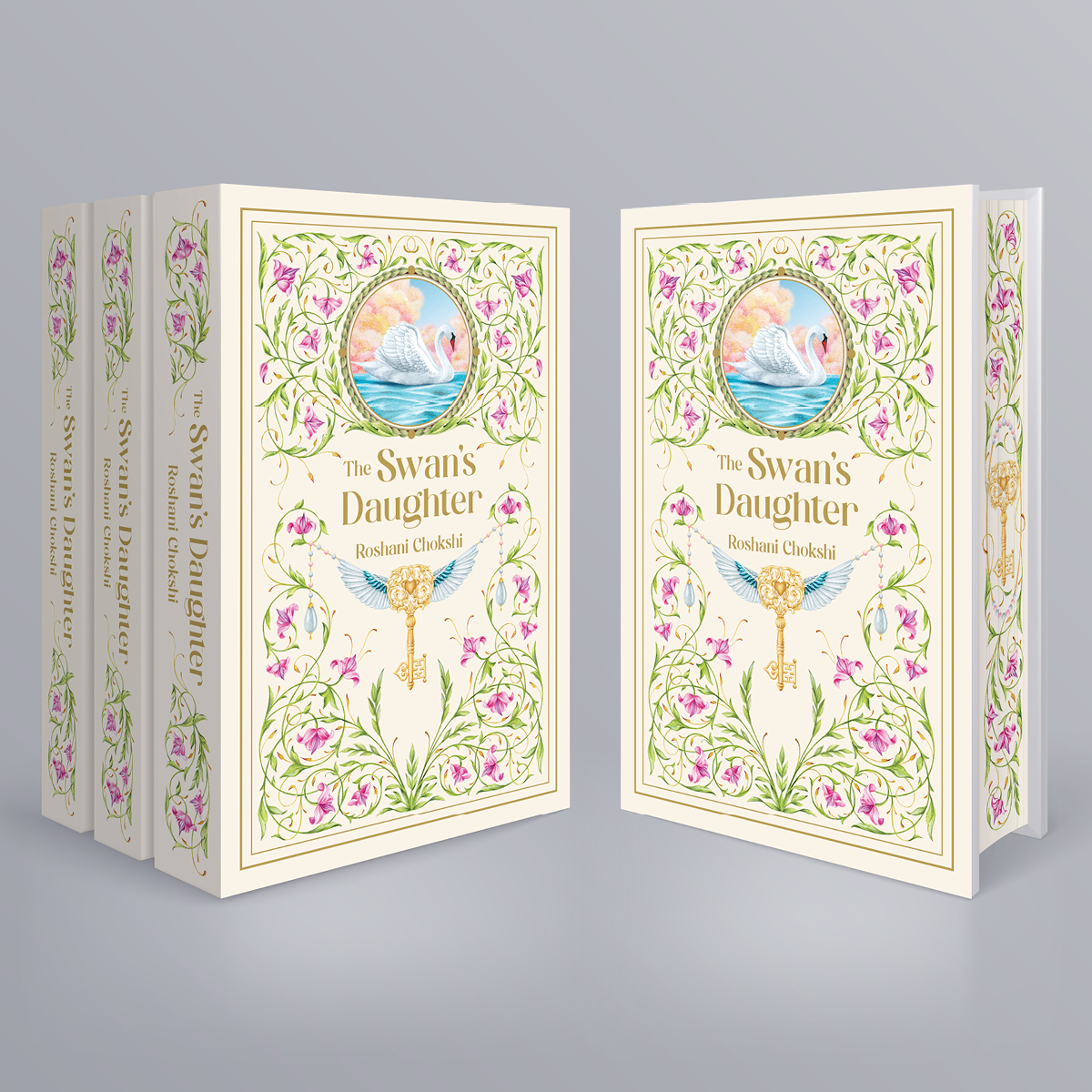
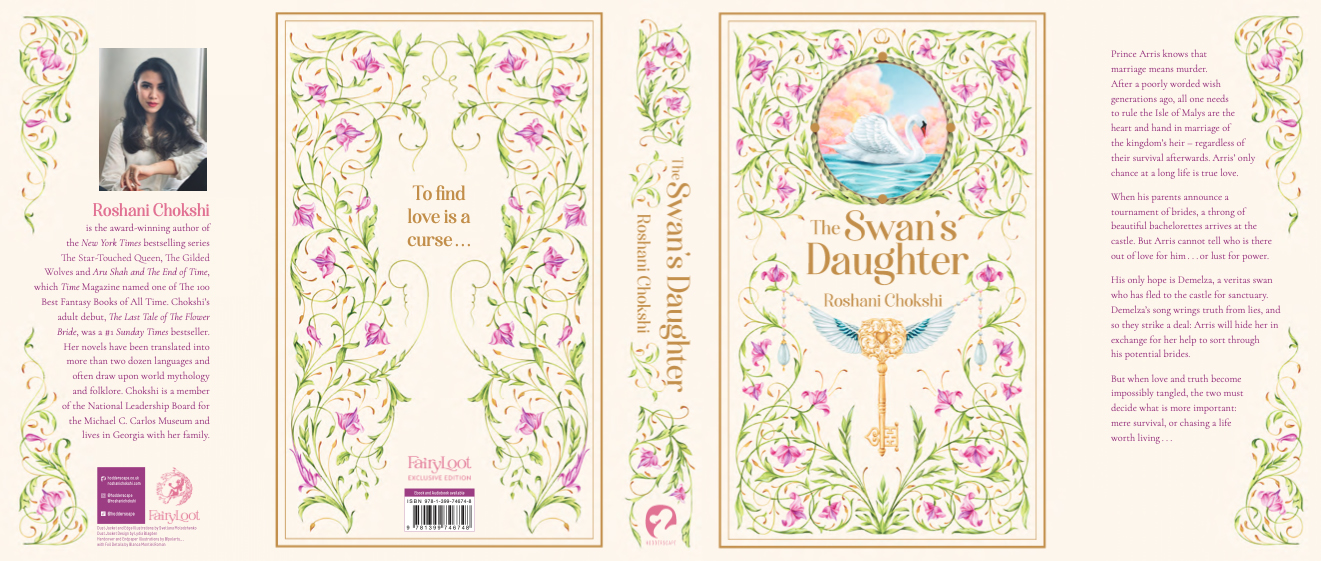
Svetlana Molodchenko crafts a spring-to-summer visual narrative across cover and edges for FairyLoot.
Svetlana was commissioned by FairyLoot to produce a dust jacket and digital edge illustrations for The Swan’s Daughter, bringing a sense of quiet enchantment to the exclusive edition.
Her approach centres on the fragile shift from spring to summer, where soft florals and light-drenched tones echo the novel’s themes of power, survival, and love. Subtle references to the text are woven throughout, giving the artwork a layered, almost heirloom quality.
Extending the imagery across the book’s edges, Svetlana turns the object itself into a continuous scene, inviting the reader to step into a suspended fairytale moment.
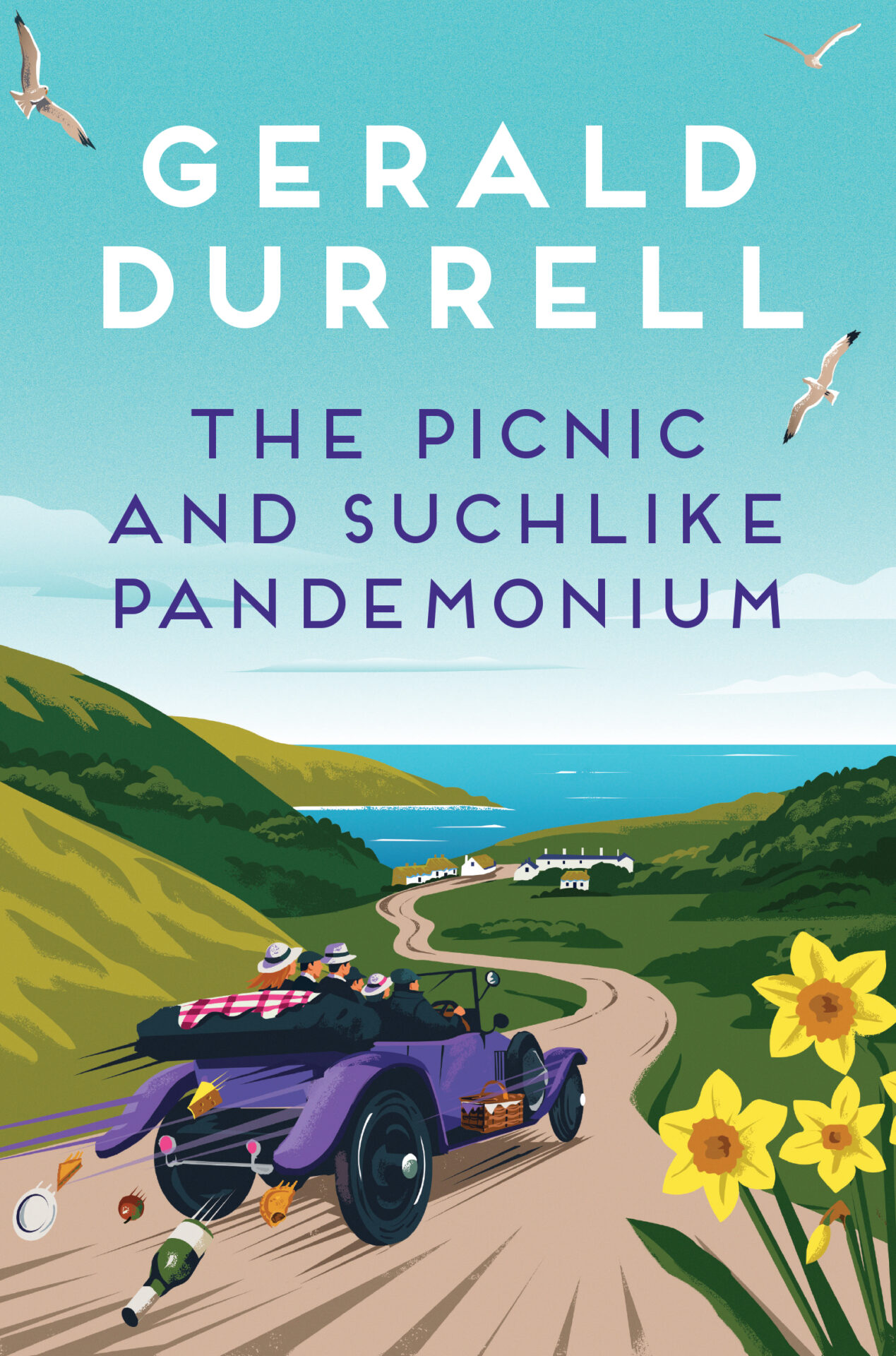
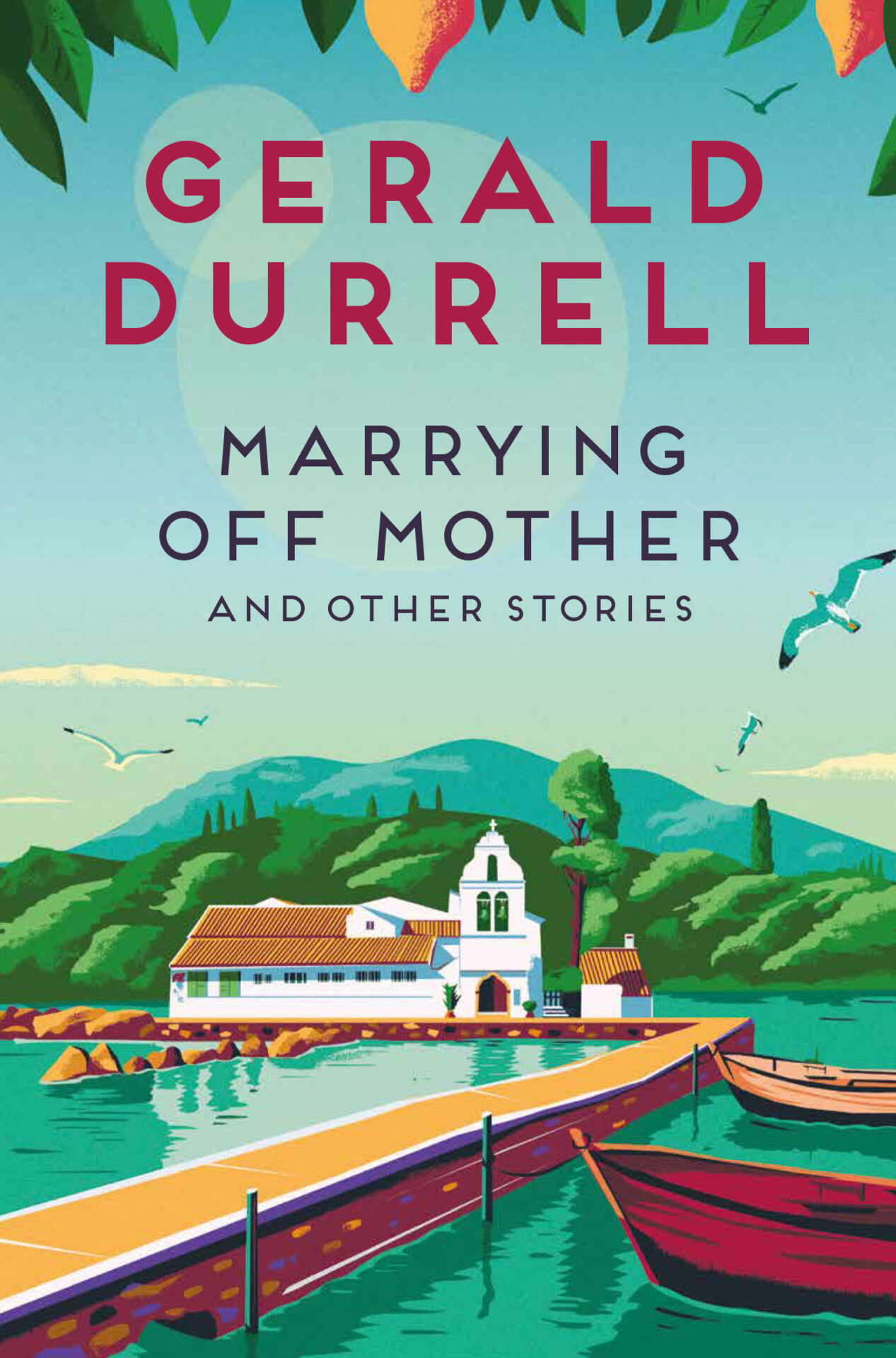
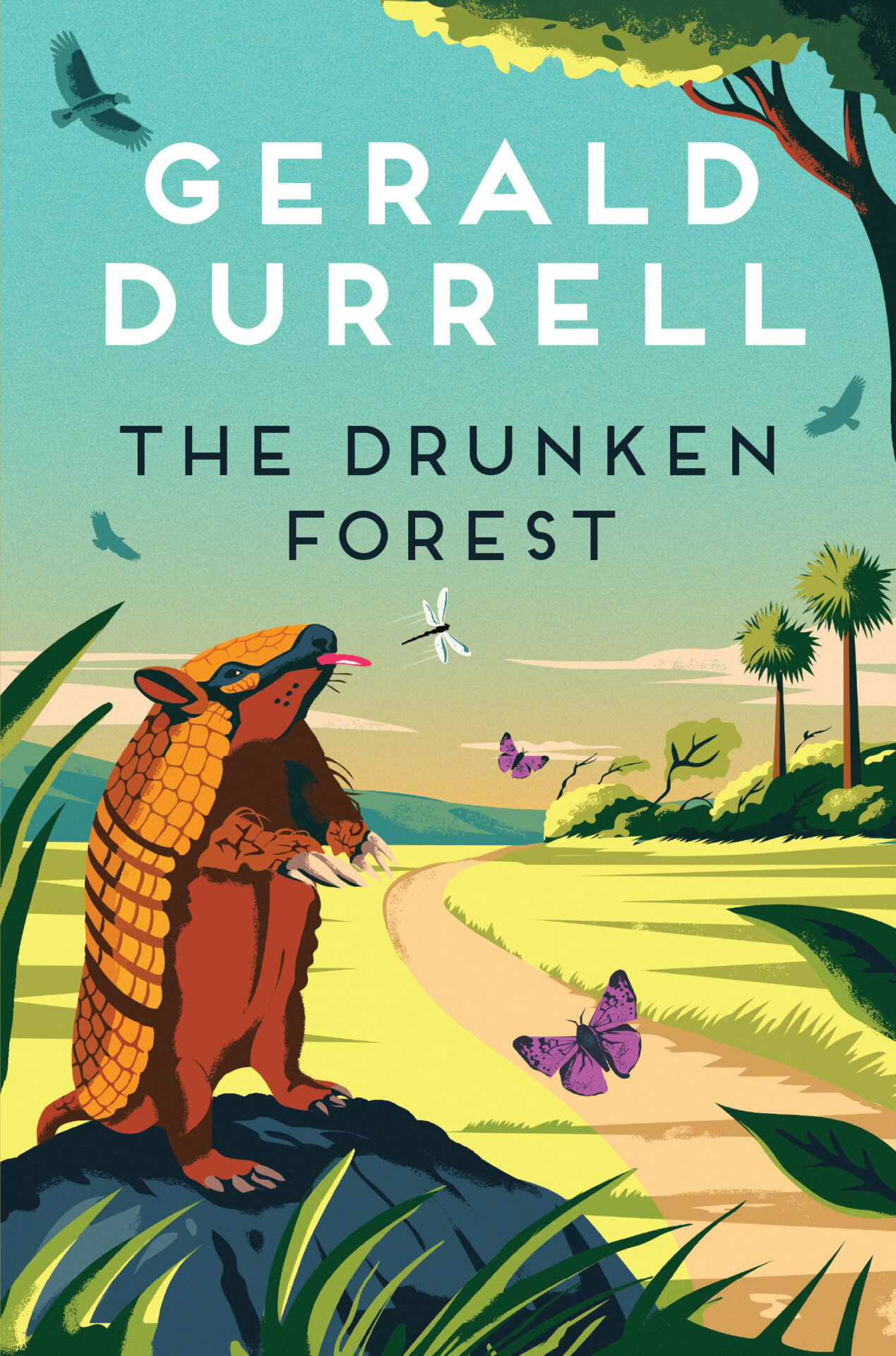
Harry was thrilled to be asked to create four new covers for the reissued classics written by Gerald Durrell; The Drunken Forest, The Picnic and Suchlike Pandemonium, Marrying Off Mother & Rosy Is My Relative. The illustrations showcase Harry’s ability to blend contemporary style with a sense of nostalgia, along with his sharp eye for humour and design.
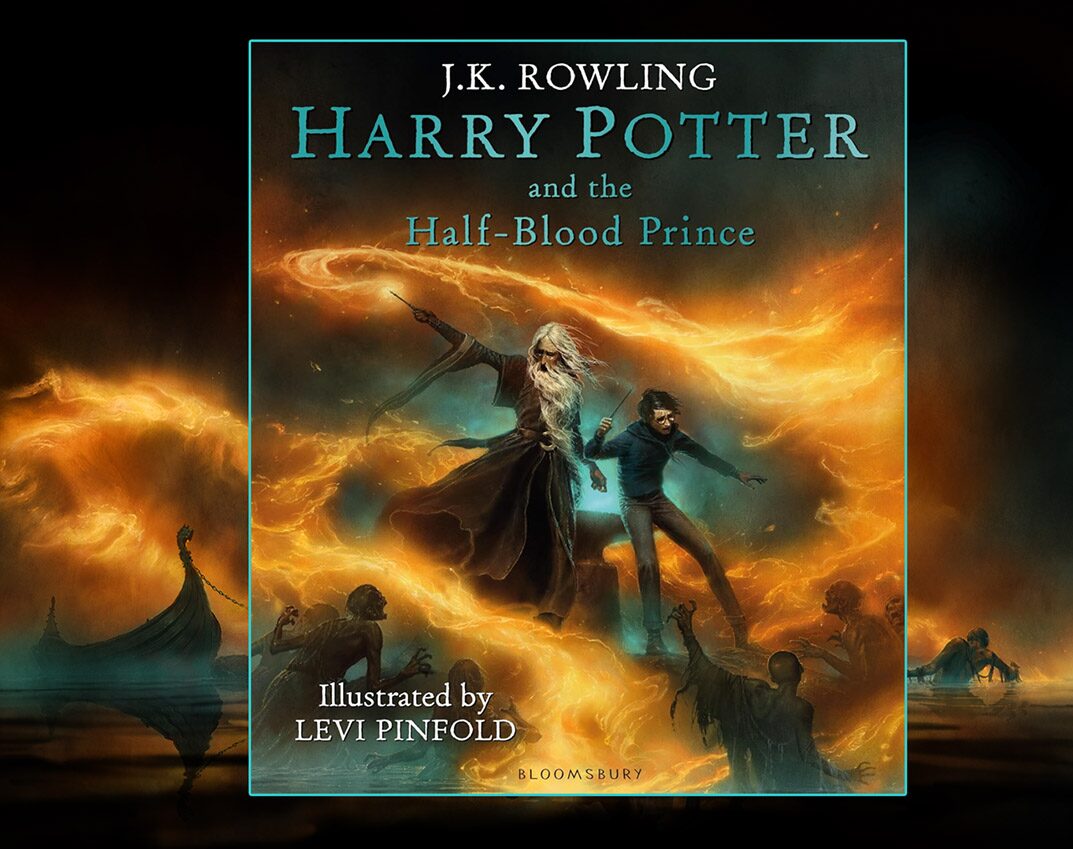
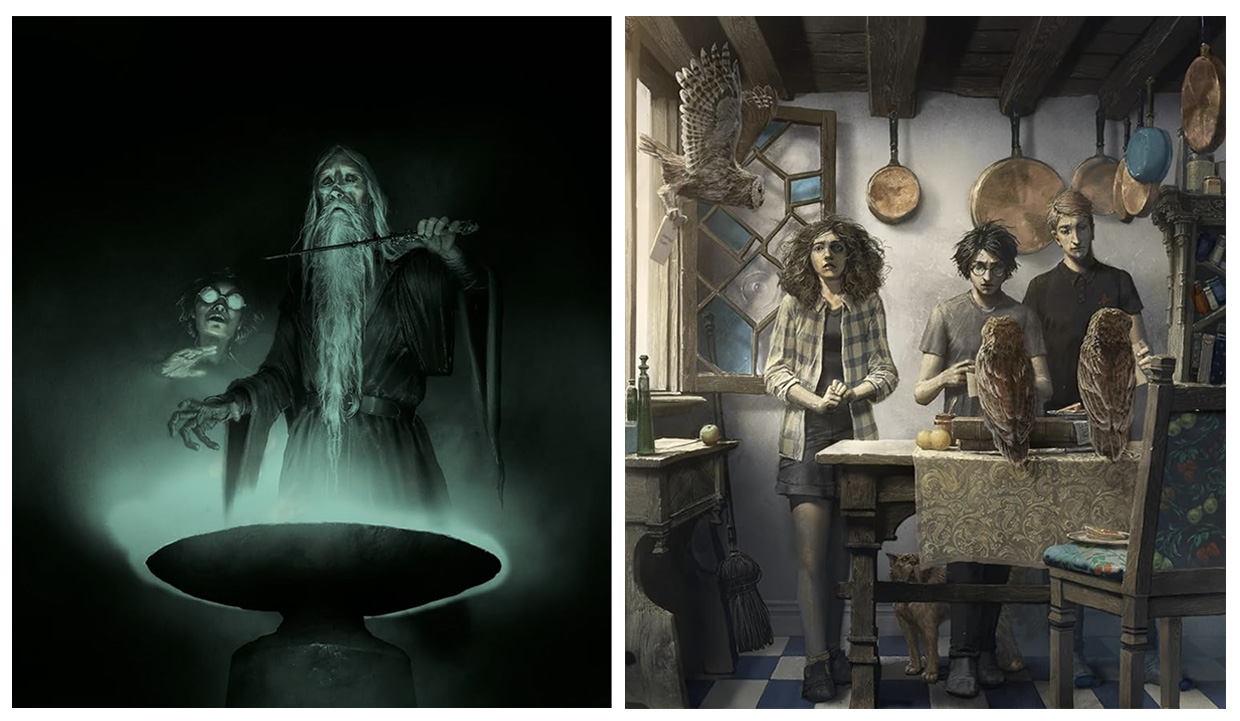
One of illustration's most extraordinary talents has stepped into the wizarding world again, and the results are nothing short of spellbinding. Levi brings his singular vision to the sixth fully illustrated edition of J.K. Rowling's beloved series, and the first glimpses are breathtaking.
This month we are thrilled to share a first look at Levi's illustrations for Harry Potter and the Half-Blood Prince, published by Bloomsbury. Taking up the baton from Jim Kay, Levi has made the world entirely his own - from the silver instruments of Dumbledore's office to the snow-dusted paths of Hogsmeade and the heady atmosphere of Professor Slughorn's Potions class. J.K. Rowling herself has described his work as spellbinding, and it's hard to disagree. The full edition publishes on 6th October 2026, and pre-orders are open now via Bloomsbury with 30% off and an exclusive tote bag featuring the cover.
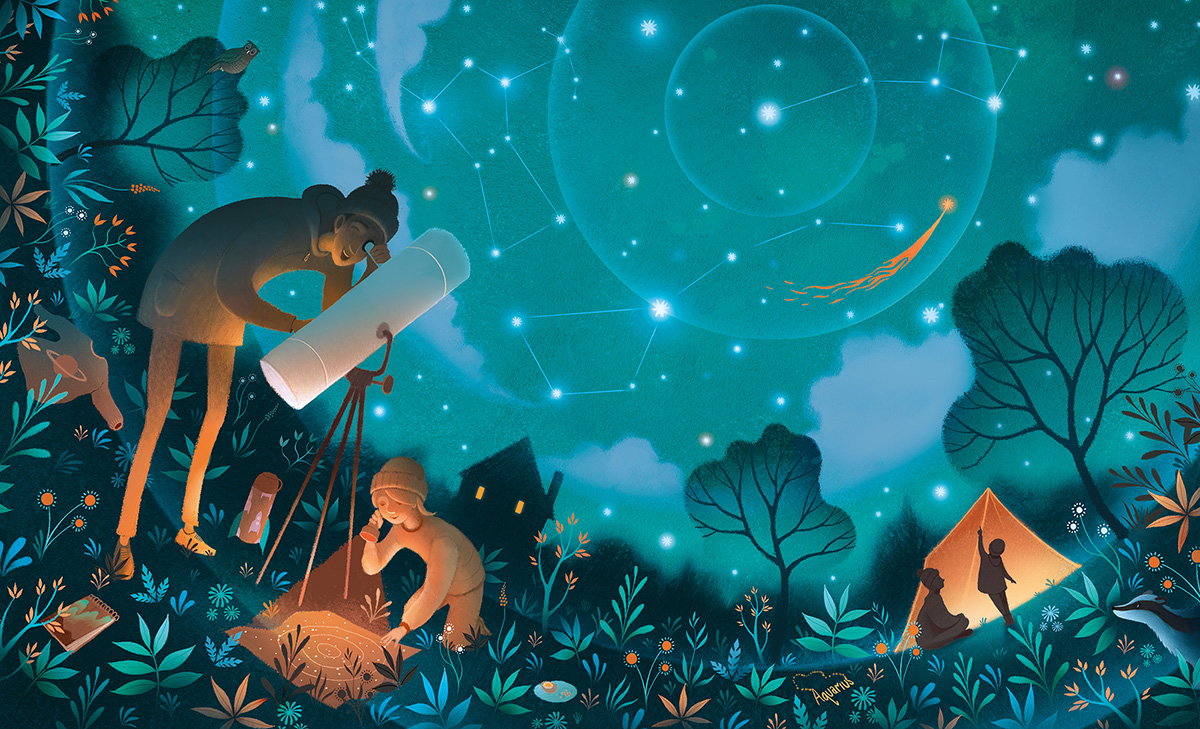
Award-winning illustrator Richard Johnson turns the night sky into a world you can lose yourself in - and his latest commission for The Observer is a breathtaking double-page spread that hides a universe of surprises.
This month we celebrate Richard's stunning editorial work for The Observer, created in anticipation of a rare planetary alignment and in celebration of the South Downs Dark Skies Festival. The brief called for a seek-and-find puzzle tucked inside a visually spectacular spread and Richard delivered something far beyond a simple game. Readers were invited to search a luminous, star-strewn landscape for hidden treasures including a badger, a space rocket flask, a telescope and… a scotch egg! His trademark dreamlike style and luminescent colour palette transformed the commission into something genuinely transporting.
Richard Johnson's editorial illustration work spans decades of commissions for major publications, and his ability to bring warmth, wit and wonder to even the most specific of briefs is second to none. Whether crafting immersive editorial spreads or intricate visual puzzles, his work invites audiences to look closer and always rewards them for doing so.
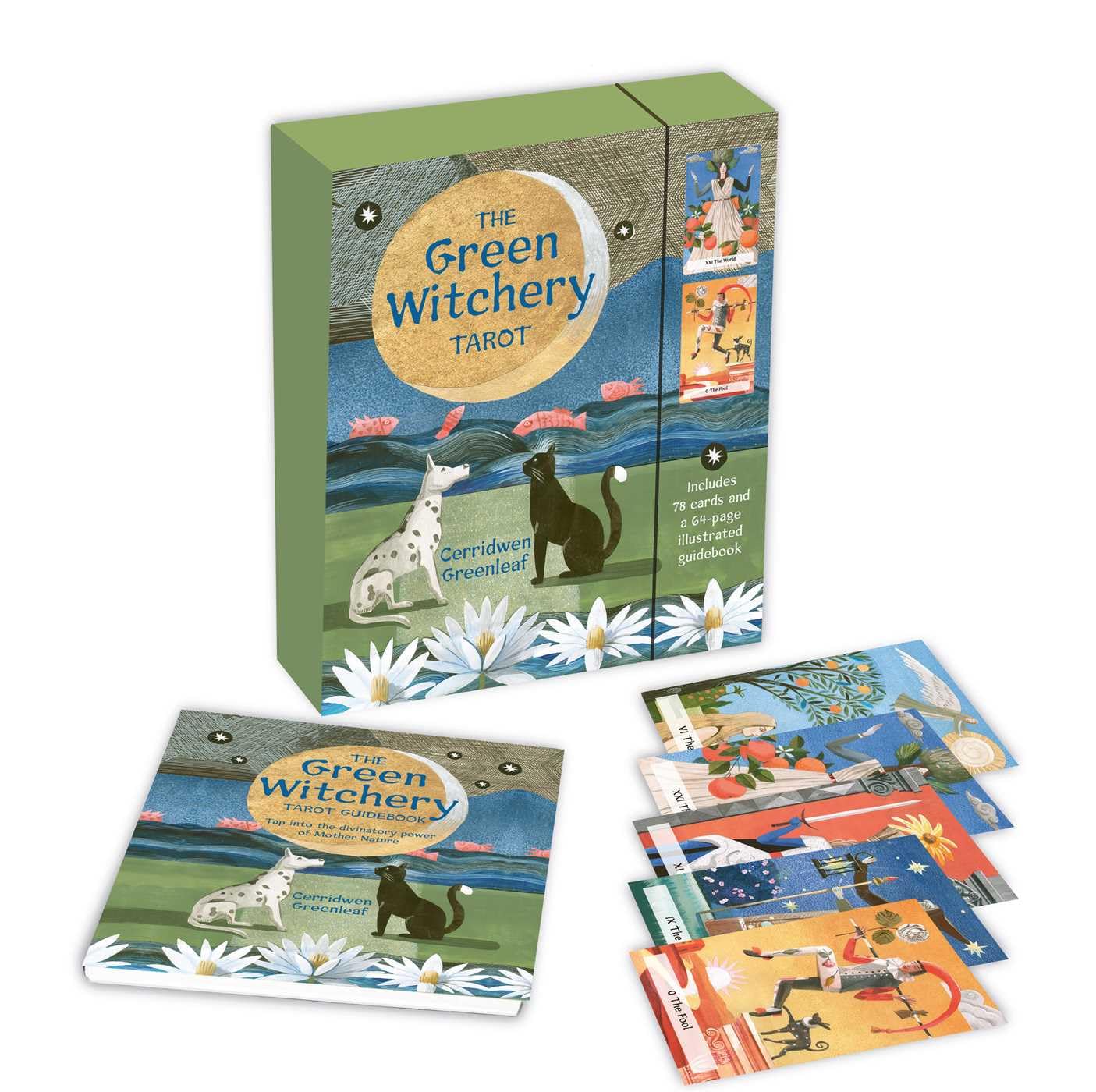
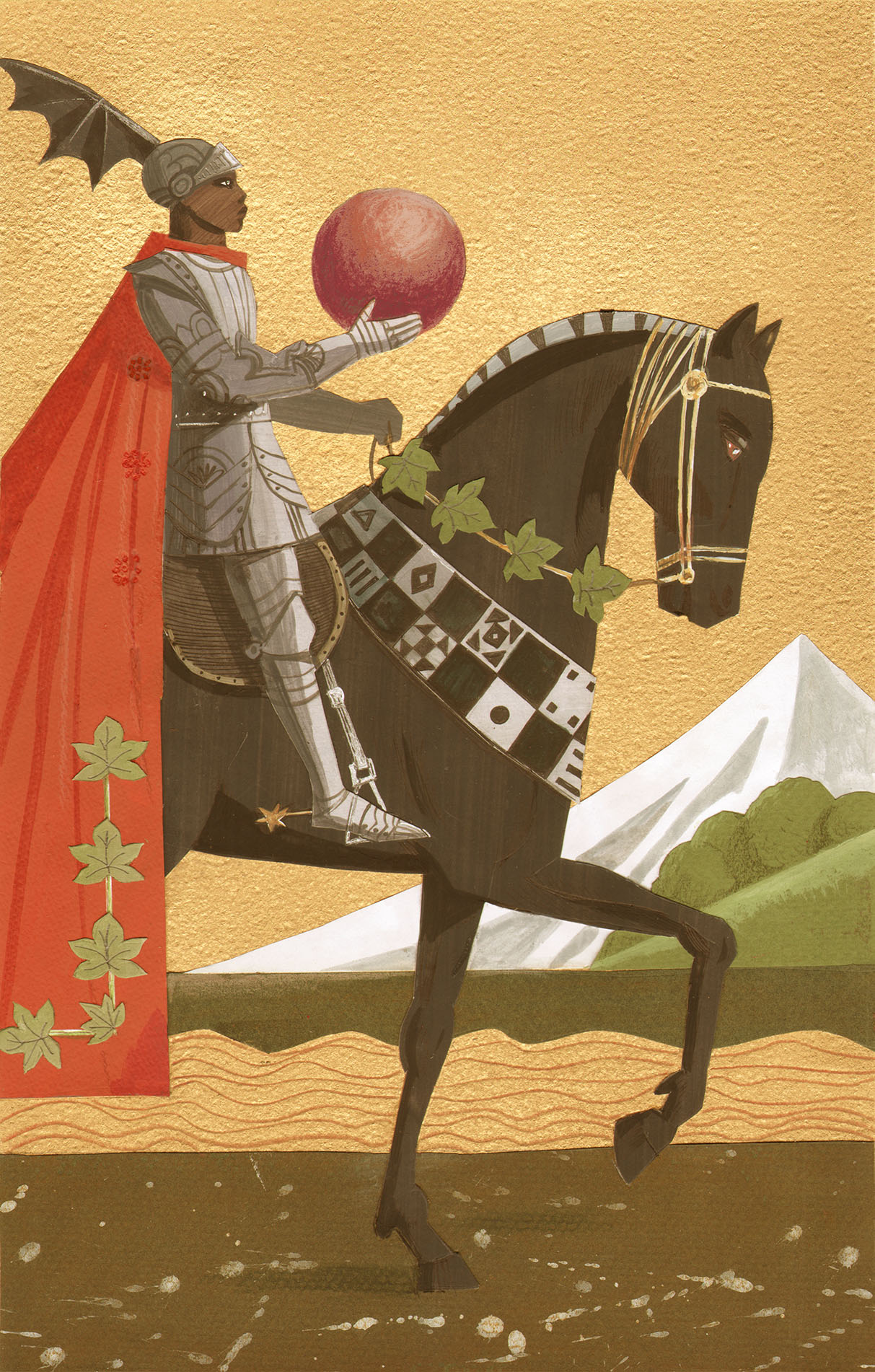
Bringing medieval mysticism to contemporary hands, Victoria Fomina illustrates tarot for CICO Books.
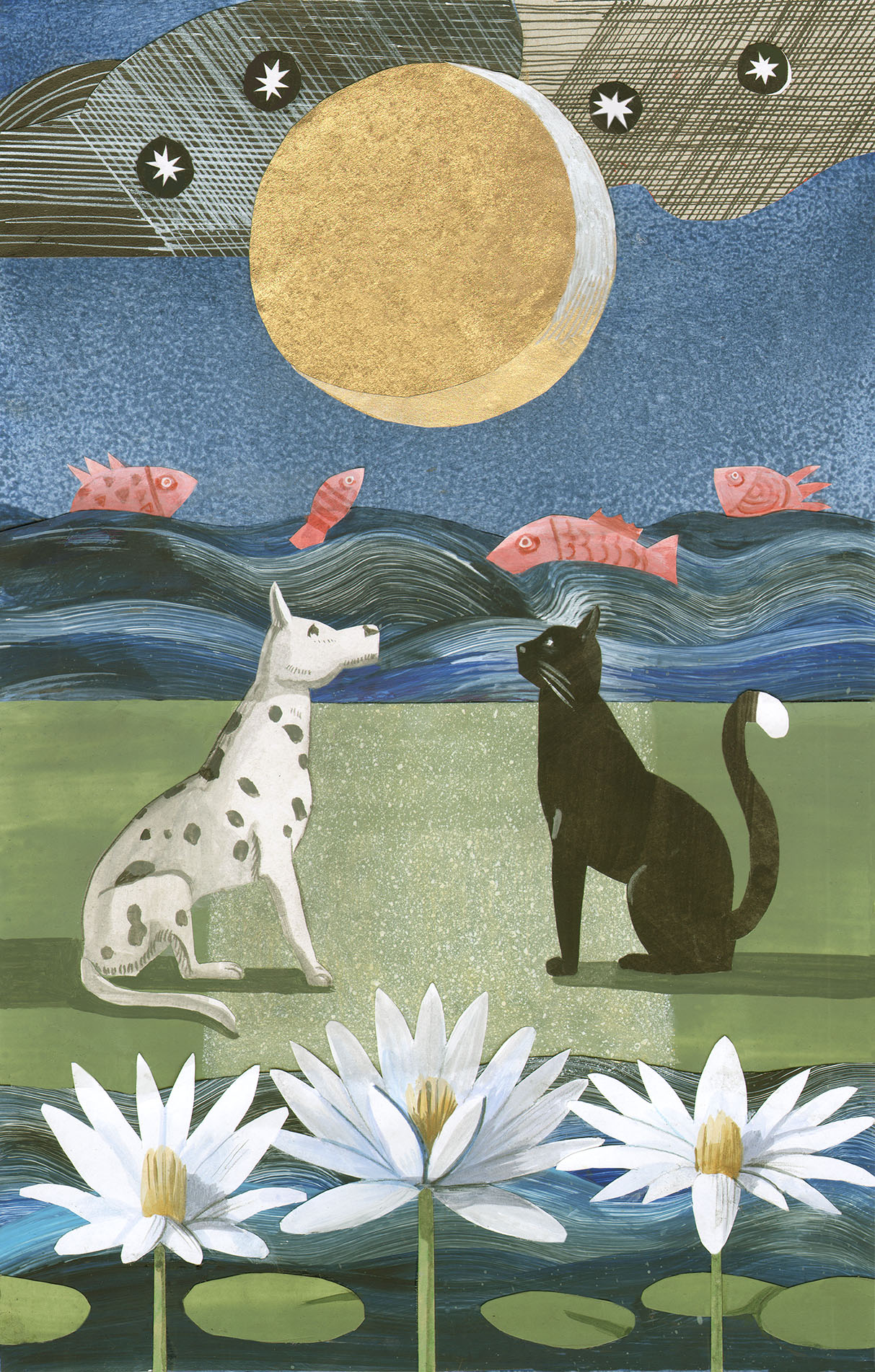
Victoria’s commission for The Green Witchery Tarot combines 78 tarot cards with a 64-page illustrated guidebook, rooted in medieval symbolism and age-old witchcraft insights.
She drew each image by hand - acrylic, ink, pen, and coloured paper, paring detail to distill archetypes like the Lovers, Death, Hermit, and Magician into striking, mysterious forms.
The deck and book are designed to complement contemporary green witchery practices, connecting natural magic with visual clarity.
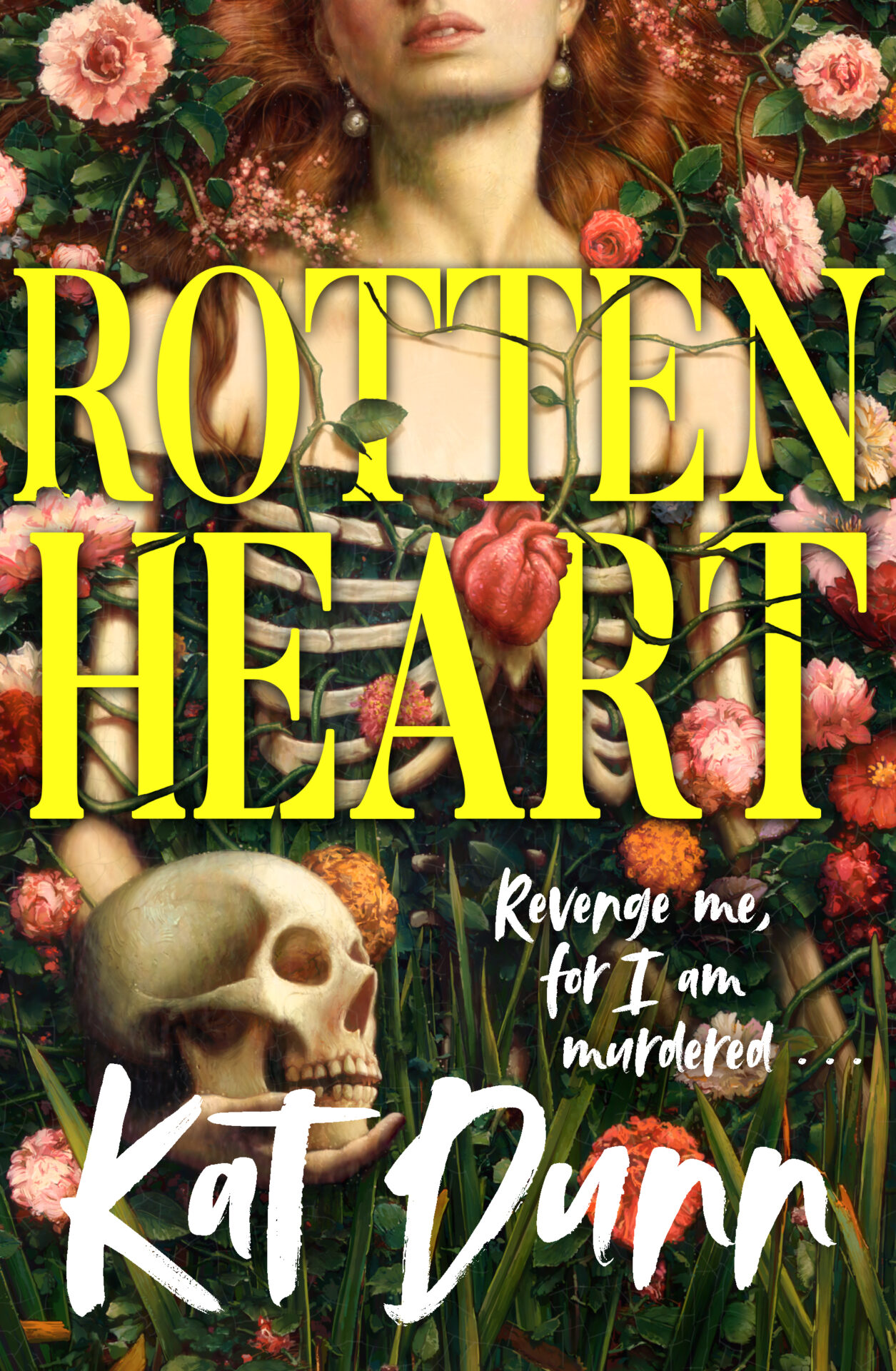
Hot off the press this fabulous cover which is the second book commissioned by Bonnier Books for the brilliant Author Kat Dunn by our very own Angelo Rinaldi …..
Rotten Heart - a gothic horror novel is set in the Victorian Era in London - Angelo has beautifully captured the feel and sensual content of this amazing novel.
With Angelo’s uniquely painterly eye he has managed to create and capture this fabulously lavish and lush cover artwork.
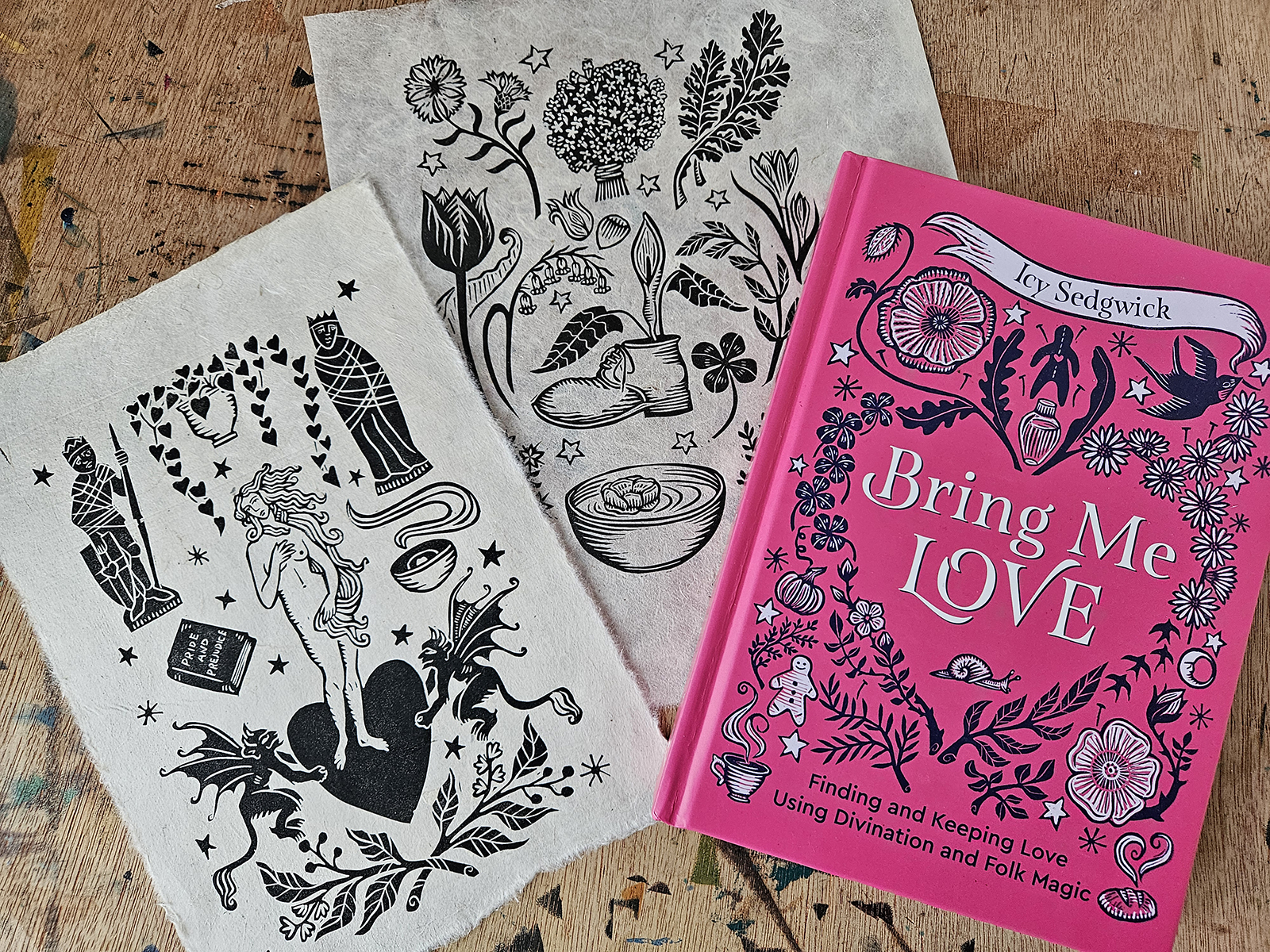
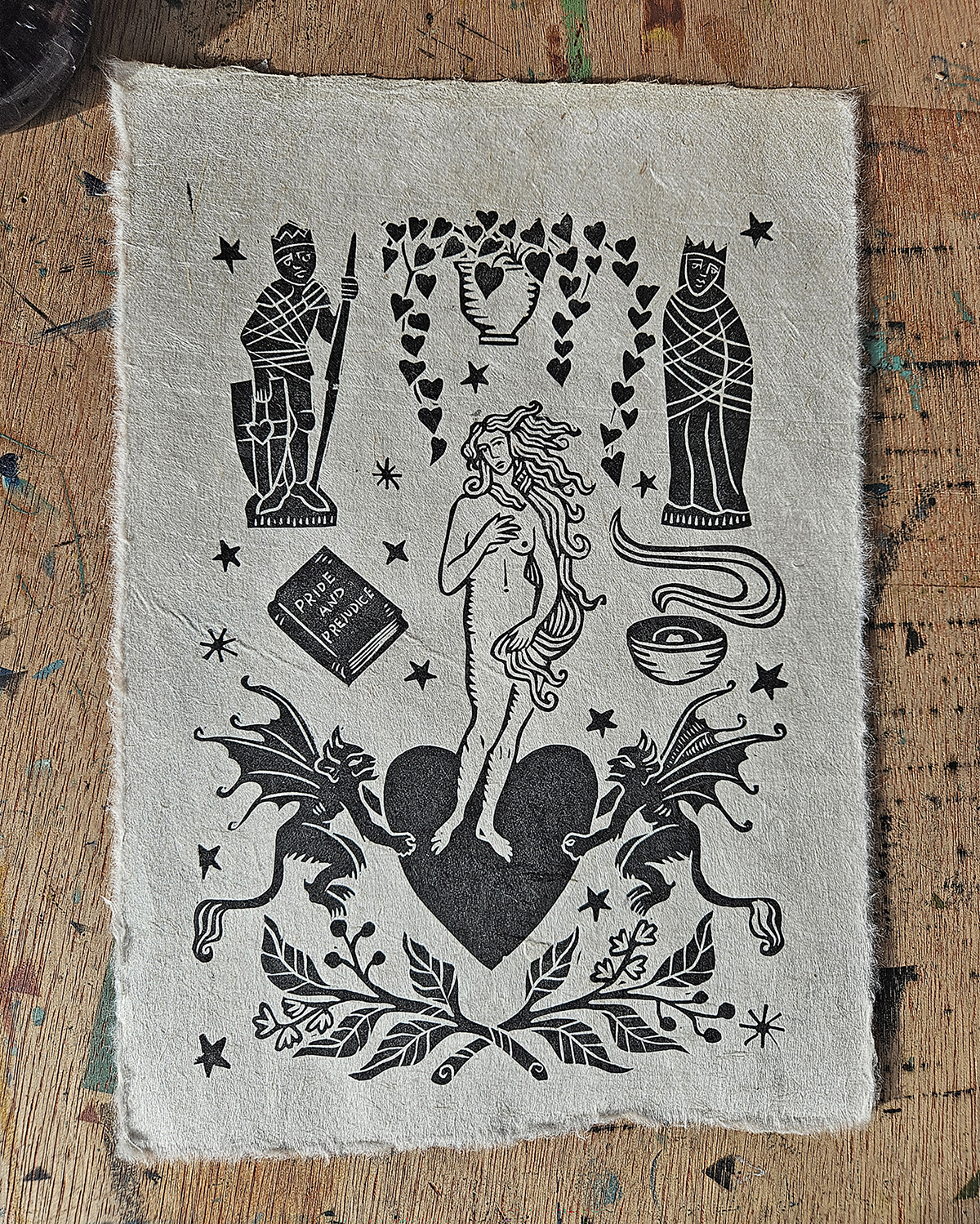
For linocut artist Becca Thorne, illustrating 'Bring Me Love by Icy Sedgwick' was a true passion project.
Fantasy author Icy Sedgwick is an expert on folklore and her latest book, Bring Me Love, is a tome of love spells, rituals and divinations that have come out of her research. To give the book an aura of traditional authenticity, Watkins Publishing recruited Bristol-based linocut artist Becca Thorne to illustrate the book. Her hand-crafted technique provides a look perfect for the age-old spell weaving detailed inside – but more than that, Becca’s main inspirations are folklore and nature. Bringing her own love of the subject to the artwork made her the perfect illustrator for the brief. We asked her to tell us more about the project.
How did the Bring Me Love commission come about?
Karen Smith, head of design at Watkins Publishing, got in touch to see if I was free to work on a book about love and divination. I was pretty busy at the time, but I’d never done something like it before, so I was really intrigued. Fortunately, they were able to push their initial deadline!
What was the brief?
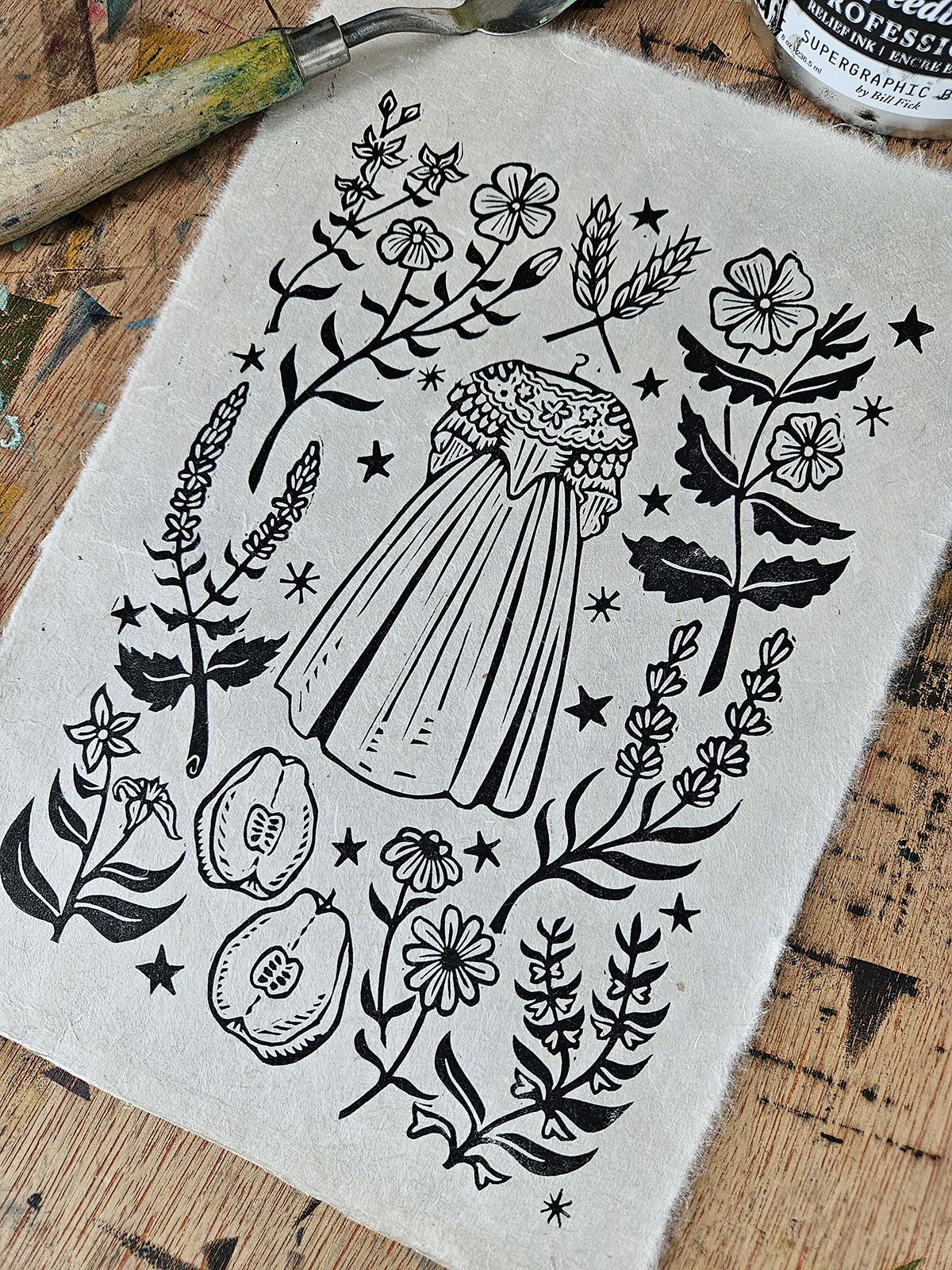
I was asked to create a cover illustration and nine chapter openers, each with distinct elements that could be pulled out and used separately throughout the book. As the manuscript was still being finalised, we started with just the cover and one chapter, then did the rest in batches as the text came through.
What was it in the brief that got your creative mind firing, because ‘finding and keeping love using divination and folk magic’ does sound a bit out there?
This is just the sort of thing I love drawing – dark, nature-based, a bit magical. On the face of it, the book could easily sound a bit silly, but it soon became obvious that it's way more than a book of love spells. Icy is so knowledgeable and curious about history, folklore and plant lore that I knew it would be super interesting to work with her. And of course, I really wanted to draw all those plants and poppets.
How did you decide what to illustrate and plan the workflow?
The publisher sent me each chapter to read, and she and the author highlighted things they wanted me to explore. This was great, as I was able to read the whole text to put things into context and also add any other relevant imagery I was drawn to. I was working in batches of two to four illustrations at a time as each chapter was finalised, so there wasn't too much to do all at once.
How was the project managed?
I’d create an initial rough sketch for the client to review and maybe suggest edits, and then I’d work that up into a secondary rough which would go to the author for final approval before I carved and printed the finals. We were all pretty in-sync with our ideas, so it was a pleasingly collaborative and simple process.
So many skills are needed to achieve a linocut print. You’ve got to plan the composition, you’ve got to draw it within the parameters of the medium, then carve it and eventually actually make the prints. How did you approach each artwork?
Lino cutting is done backwards and in negative, so when I’m sketching, I’m always thinking about how it will translate into carving. I use texture and negative space to create depth when working in single colour, and I like to do everything at the final publishing dimensions whenever possible, so that I know exactly how all the cut lines and textures will appear on the page. I’ve got tools that allow for a fair amount of detail, but of course there’s a limit to how far I can go, so I’m always taking that into consideration.
How was the cover designed, how were the elements for it chosen, what were the challenges involved and how did you overcome them?
I was given a list of potential items from each chapter to use on the cover, and the client had a few suggestions for potential layouts, so I sketched some very rough compositions for them to choose from before working one up further. The cover needed to give a beautiful and playful sense of magic, history, love spells and folklore without looking either too twee and silly, or too heavy and gothic. It was a fine line to walk, but I think we got it!
What were some of your favourite internal illustrations?
That’s a really hard one to answer. I’m quite fond of the introduction illustration, and the one for the Plants chapter – those two were particularly enjoyable to research, sketch and carve. I really like the illustration for the final chapter too – fun fact: that’s Queen Victoria’s wedding dress.
And what were the most difficult images to resolve or get right, and why?
The hardest thing was probably ensuring consistency through all the illustrations, as I was doing them in small batches over several months with other jobs in between. I’m usually working on two or three jobs in tandem, and they naturally tend to inform one another, so if there’s a pause in a job it can be easy to slip into a different frame of mind with other projects, and it can be tricky to pick back up where I left off. Fortunately, I was working on other things that linked well with this one, so I was already in the right zone when it was time to start the next batch.
Was there anything about the process or the feedback that you feel helped you excel?
It’s always wonderful when a publisher supplies the manuscript with a brief, as it helps build a more complete picture of the book. By reading the full chapters, I could put the client’s and author’s suggestions into wider context, thinking about the time period, an item's usage and the theme of that chapter. Discovering the author’s podcast was also really helpful, as it allowed for very informed research.
Were there any magical accidents along the way?
While working on Bring Me Love, I was also working on the illustrations for the Folio Society’s edition of Hamnet, and the two connected beautifully. As one of the main characters in Hamnet is an apothecary, I could draw on what I was learning from Bring Me Love to help me incorporate meaningful flora into the Hamnet illustrations, and the wider narrative from Hamnet into my work on Bring Me Love.
What was it like really embracing folklore, magic and mysticism – topics you love – during this project?
I’ve always been interested in folklore – the ways people told stories to make sense of the natural world and their place in the universe, as well as for entertainment. So, I really enjoyed this project, and I learnt things that continue to inform my personal work as well as other commissions.
What is your verdict on the final outcome?
I think it looks great, I particularly love how the illustrations were used within the text.
And what has the feedback been like from the people who really matter, the readers?
The response on my social media has definitely been positive!
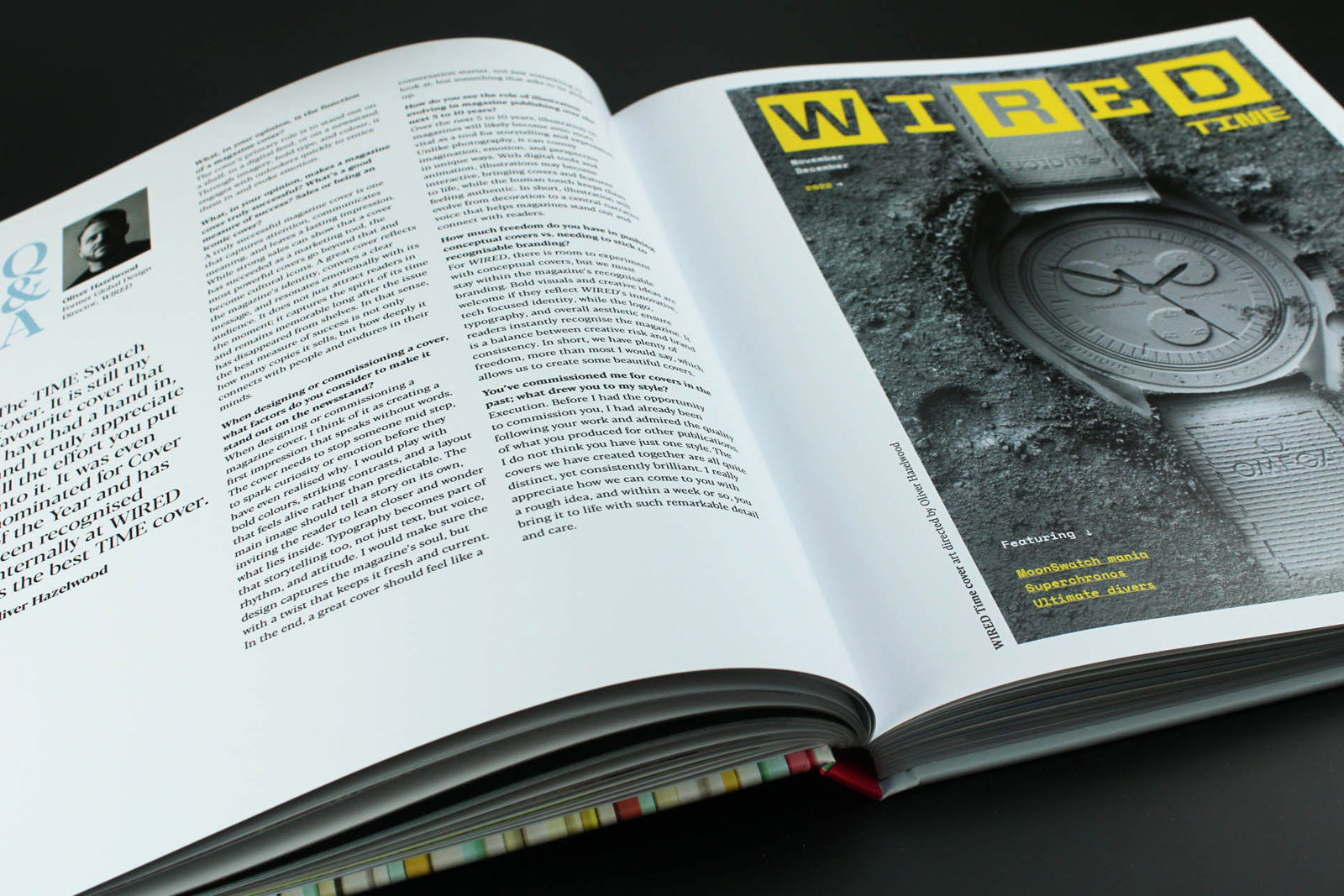
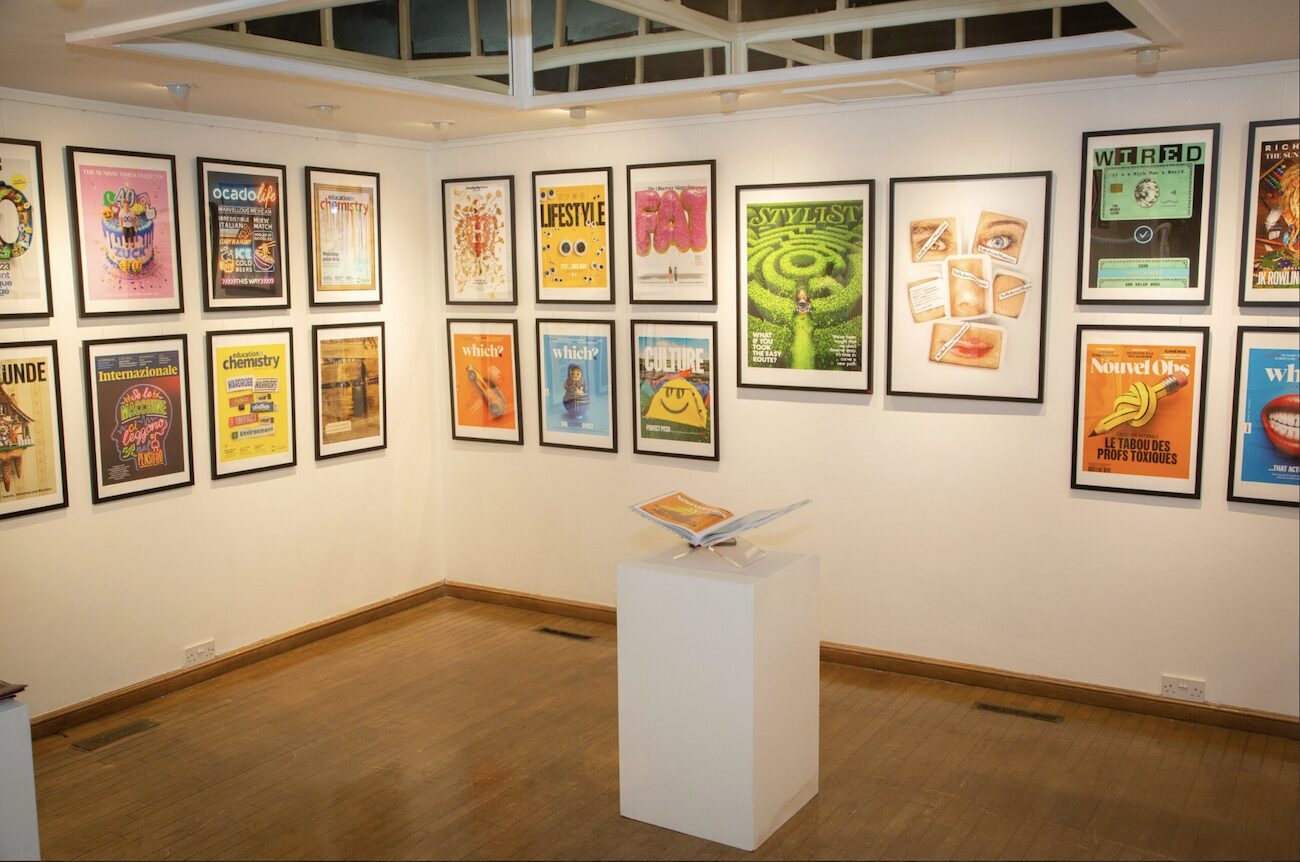
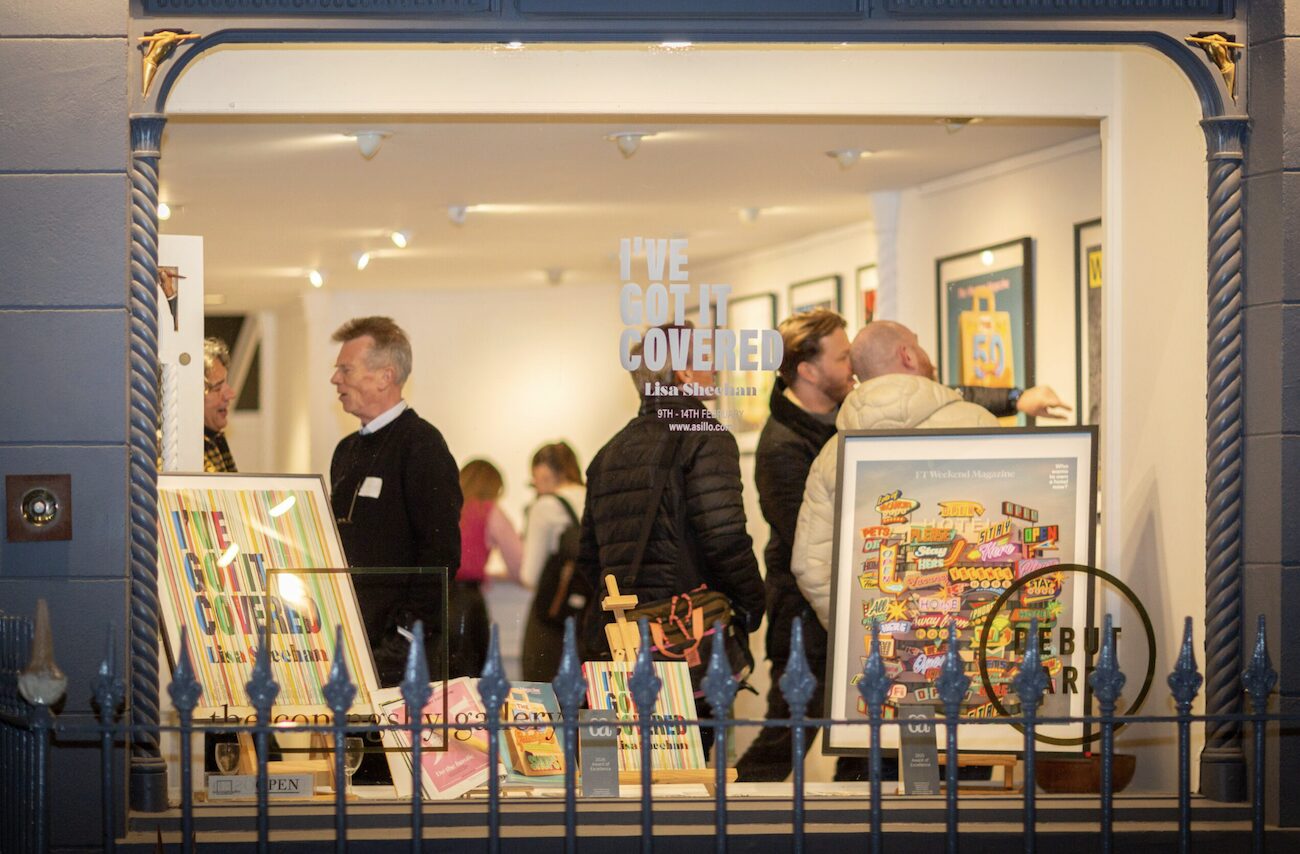
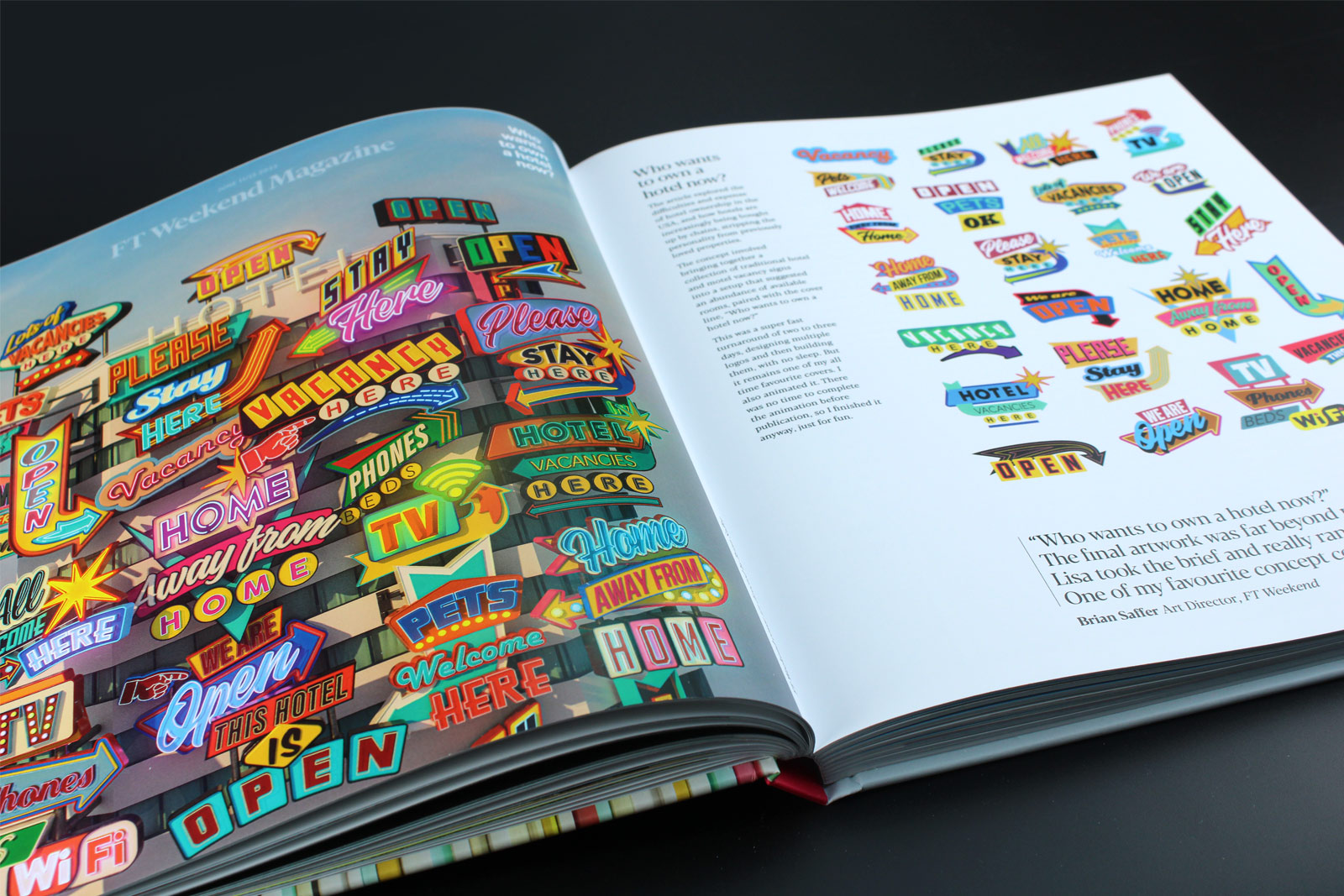
Lisa has produced a 248-page hardback book presenting over 200 editorial magazine covers illustrated by herself over the last 5 years.
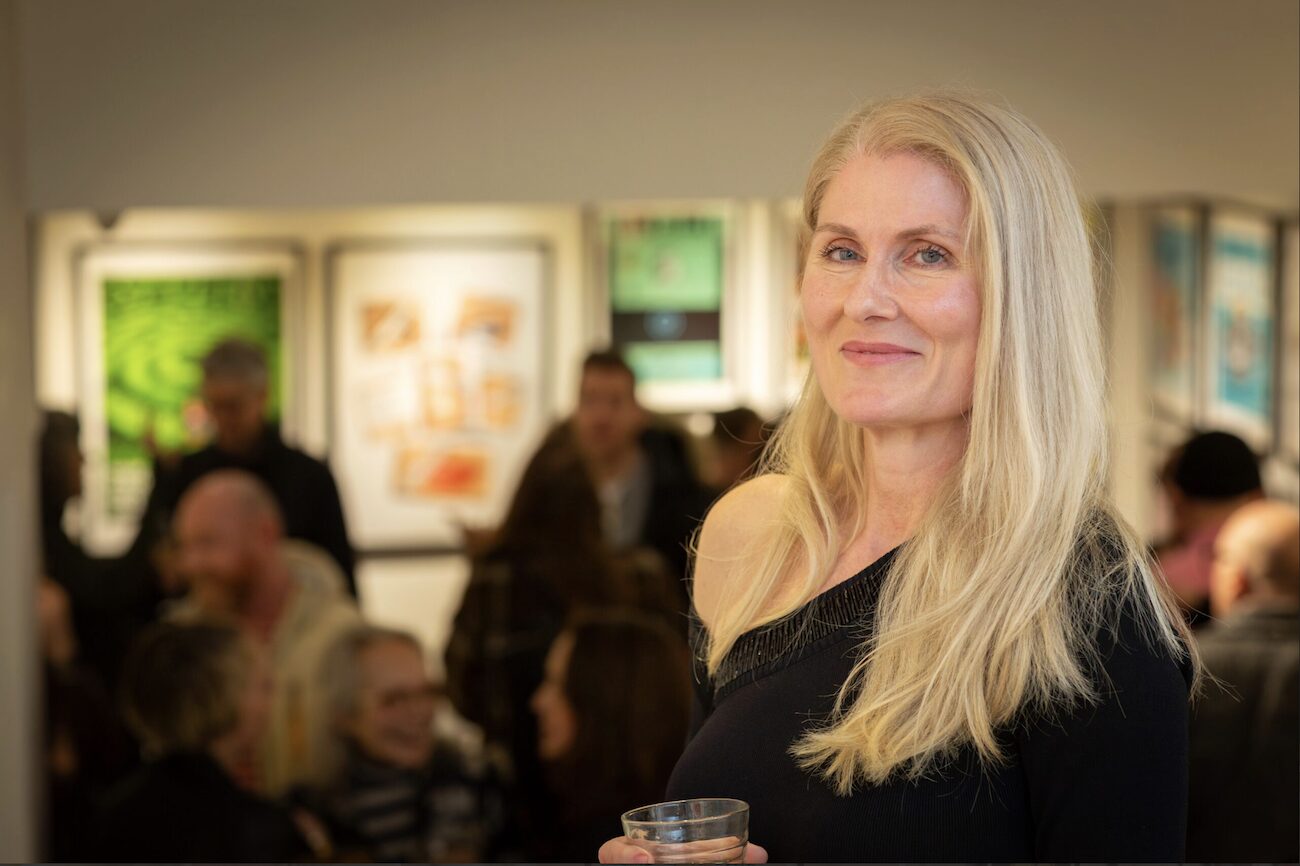
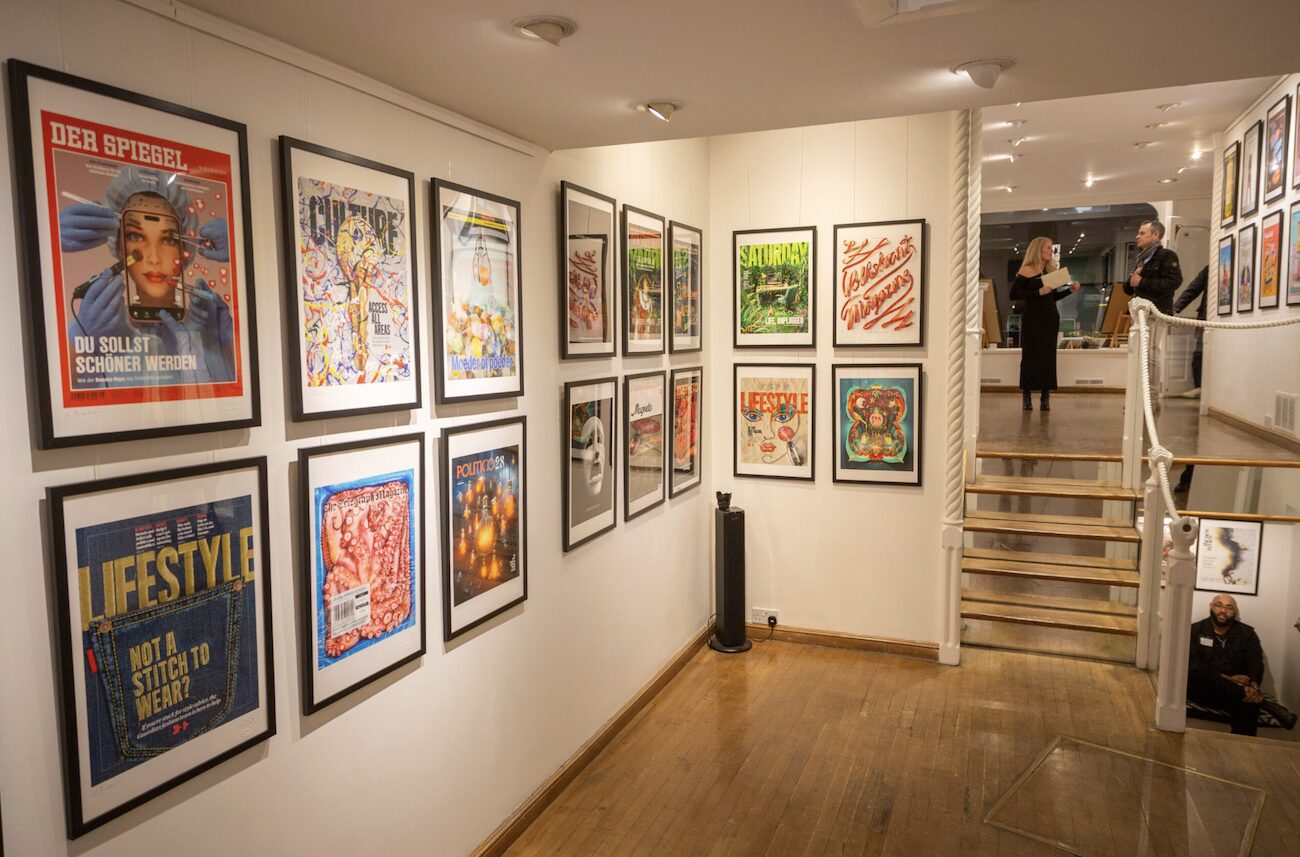
The book contains extensive articles and statements from 49 contributing Art Directors about magazine cover design. The book is for sale at https://asillo.com/product/ive-got-it-covered-hardback-large-format-book/. Her recent exhibition at Debut Art’s own gallery in central London was a huge success with attendance at the PV’s by many of the Art Directors who have commissioned her and many others. The exhibition featured the launch of the book and over 70 framed magazine covers Lisa has illustrated.
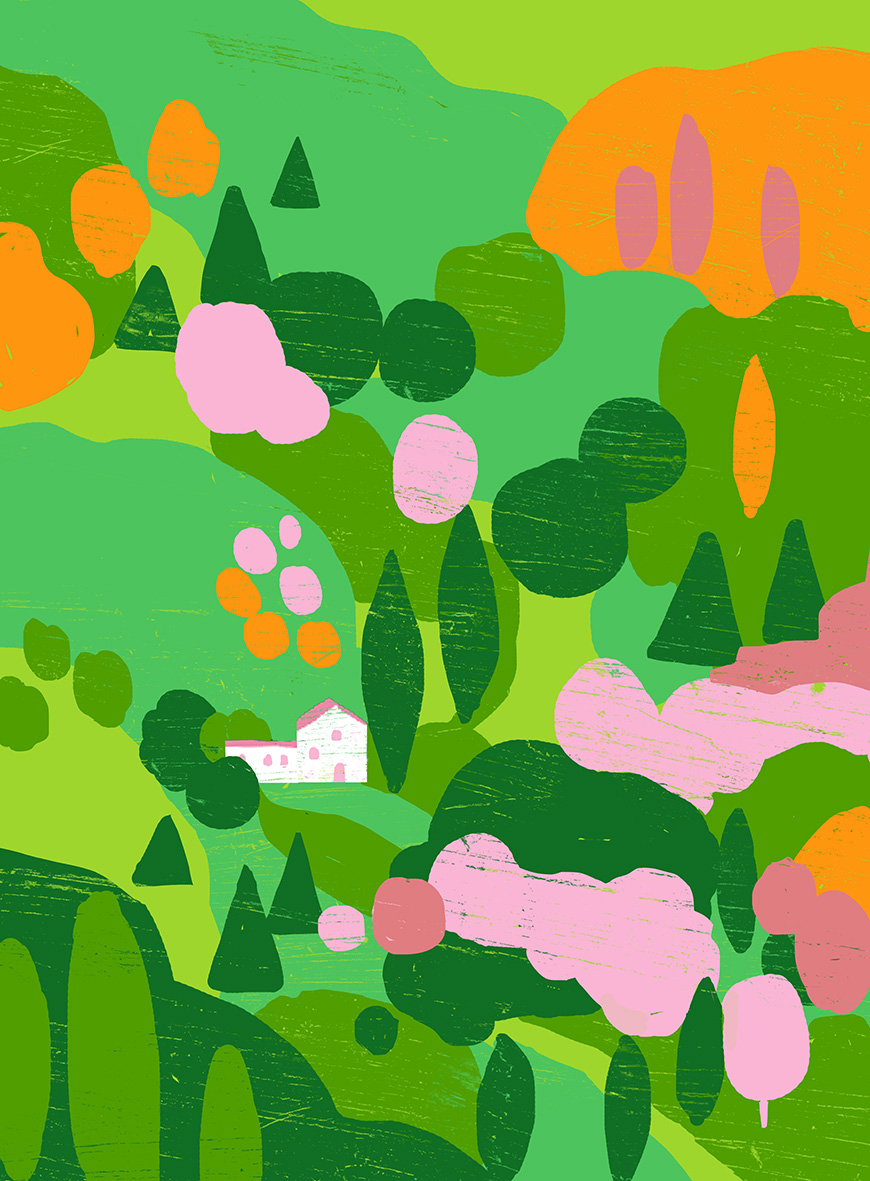
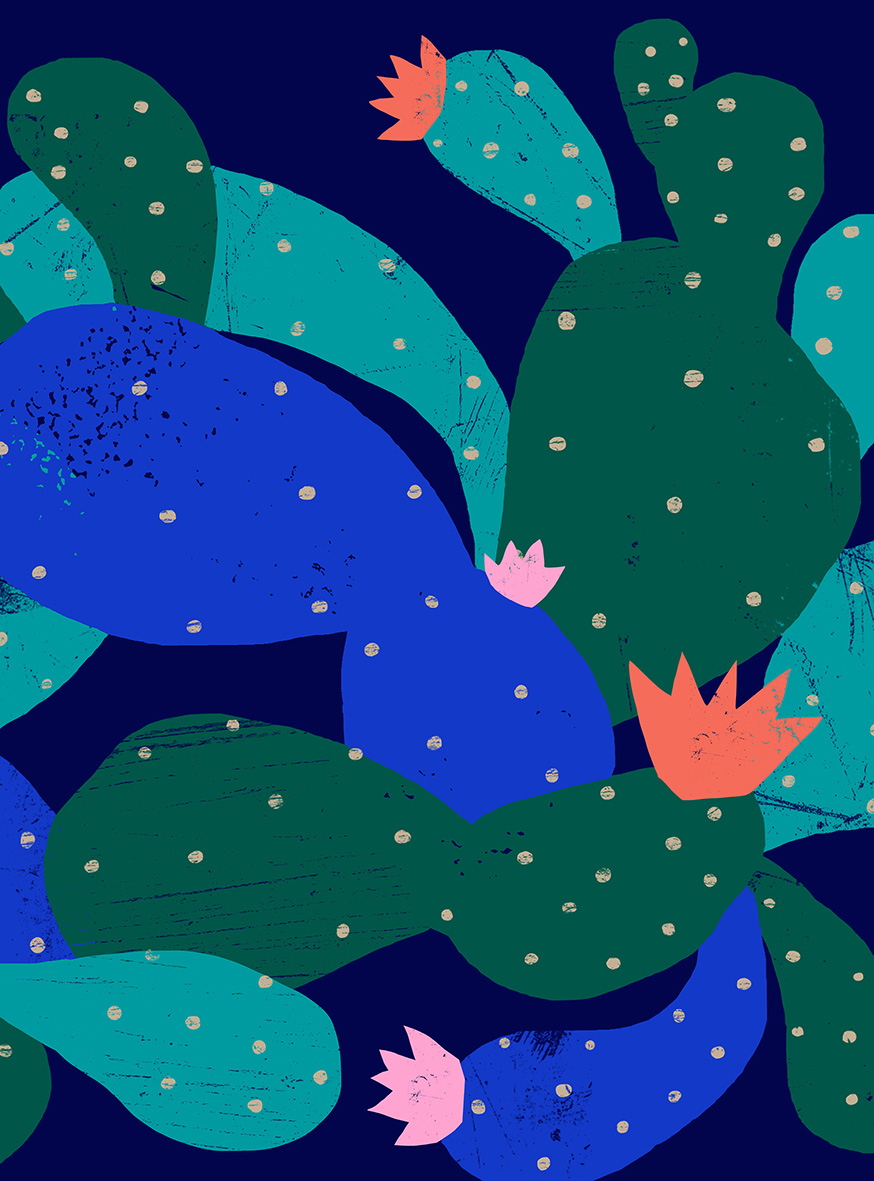
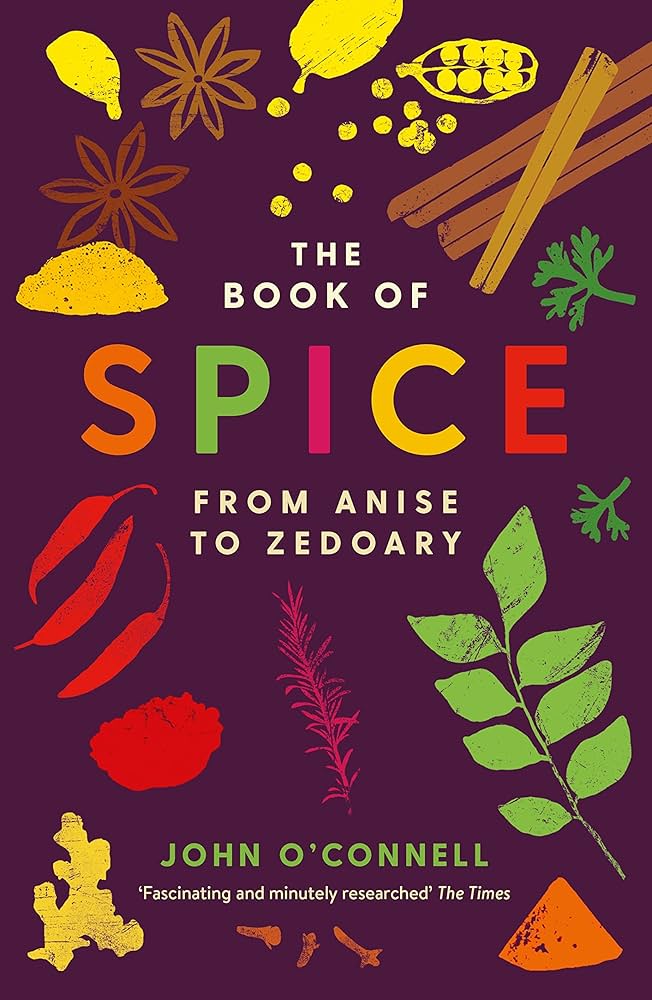
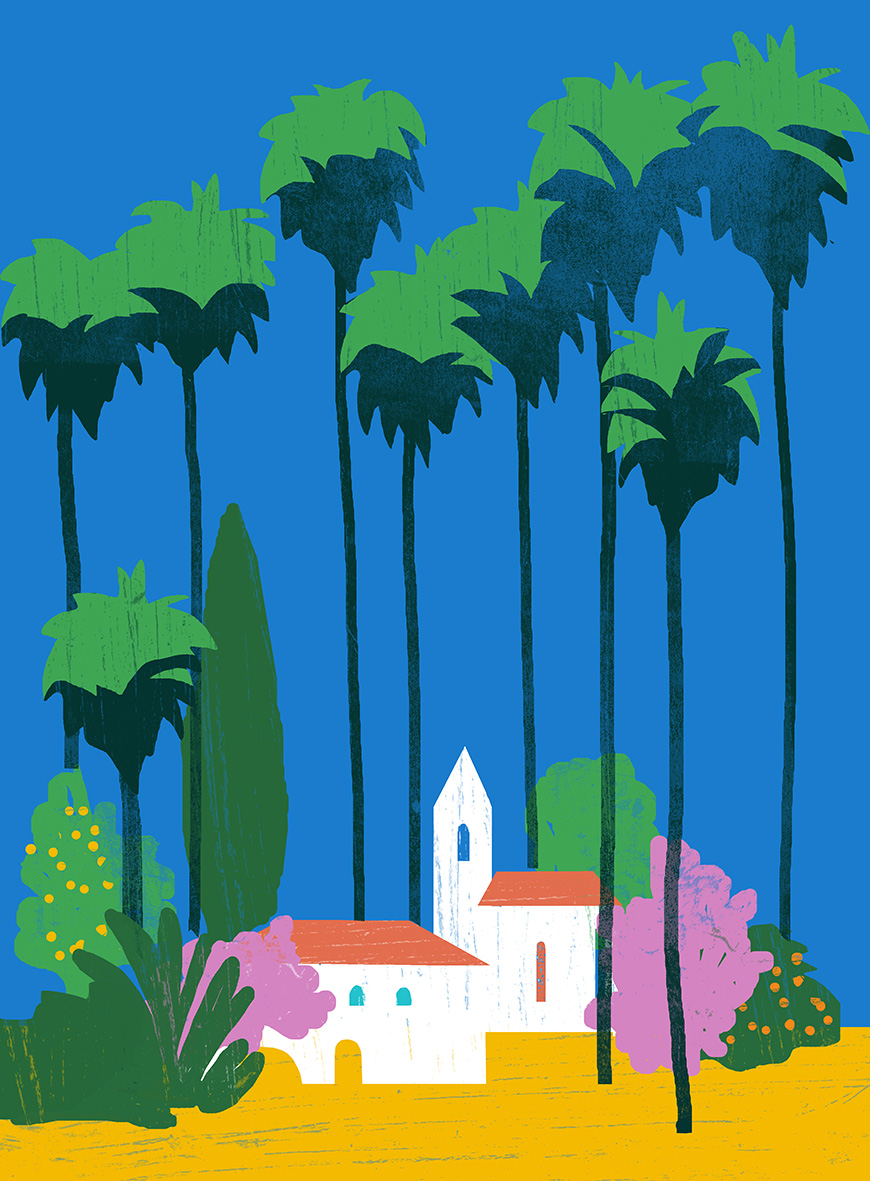
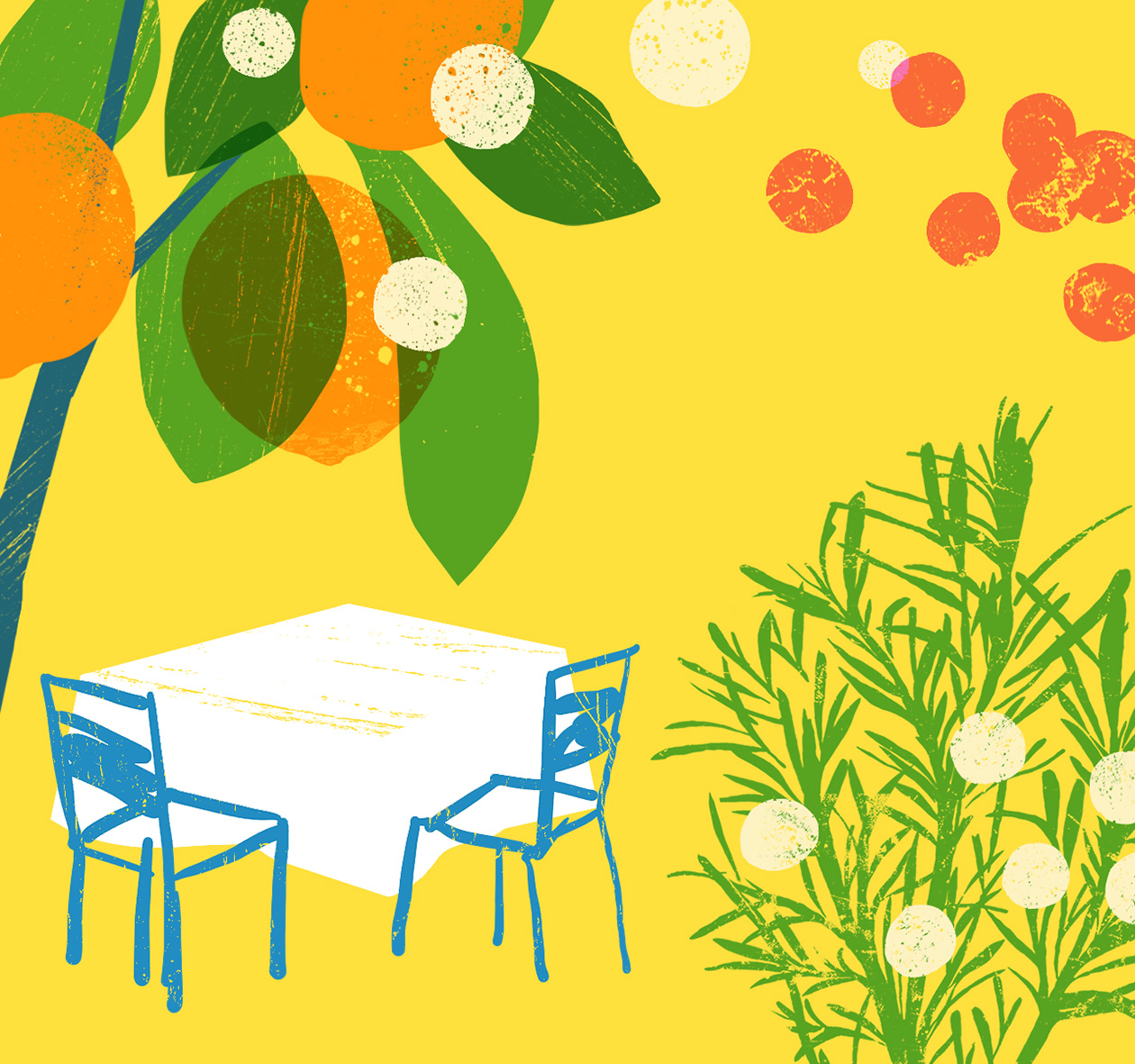
We’re thrilled to introduce Ana Zaja Petrak, the latest illustrator to join Meiklejohn.
Based in the vibrant city of Zagreb, Croatia, Ana brings a colour-drenched, expressive illustration style that celebrates gastronomy, Mediterranean slow living, and the beauty of nature. Created using both digital and traditional techniques, Ana’s minimal and playful artworks balance sophistication and spontaneity; a mix that allows her to craft images that feel contemporary, yet timeless.
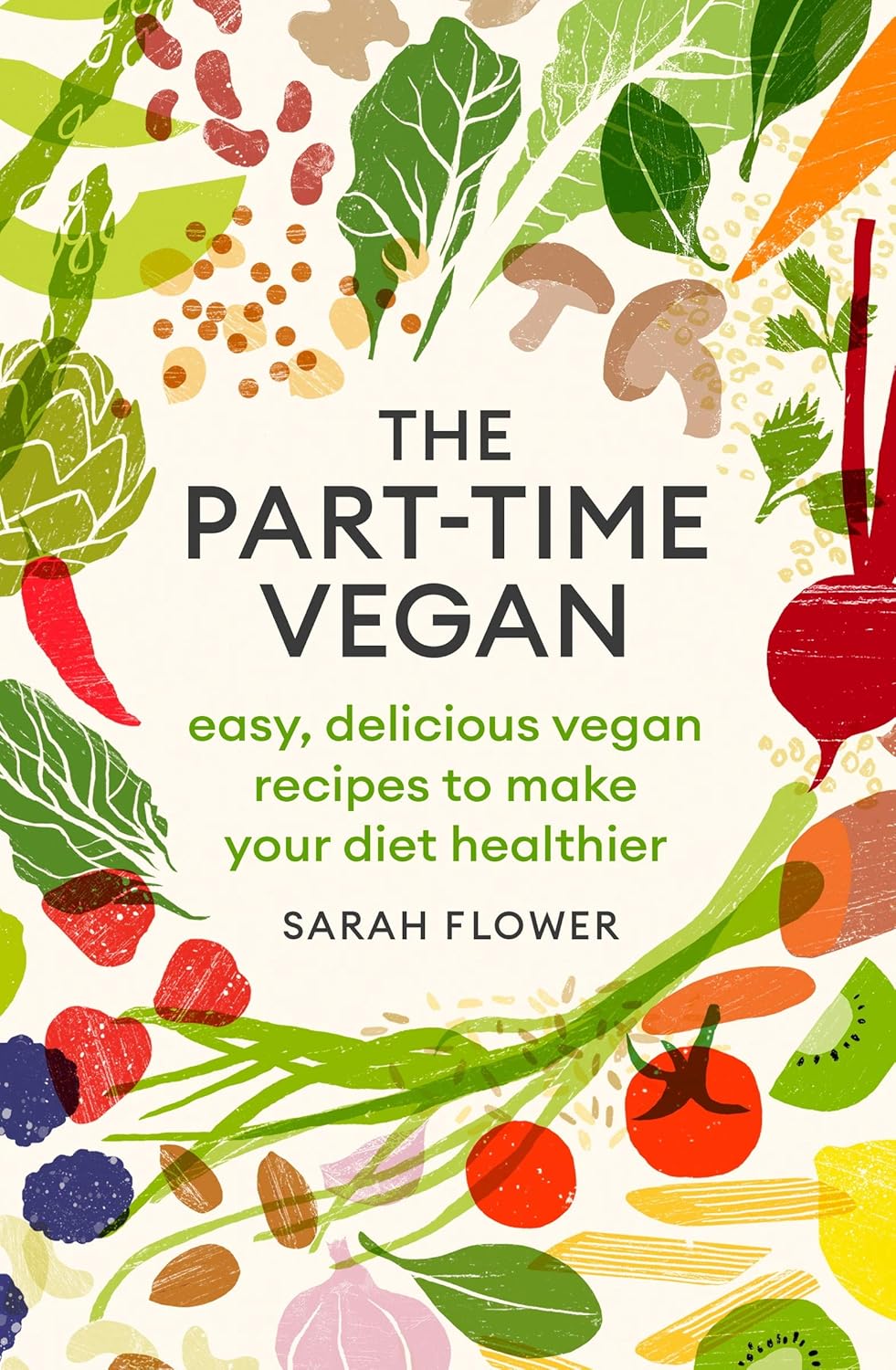
With an impressive portfolio that includes collaborations with global brands such as Whole Foods Market, Marks & Spencer, and San Pellegrino, Ana’s bold and abstract work has been used to bring many beautiful projects to life from eye-catching packaging to beautifully designed cookbooks.
We hope you enjoy taking a look at a selection of Ana's work. You can see more in her full portfolio.